If you want to sell this spring in Little Neck, the biggest mistake is waiting until the flowers bloom to start getting ready. In a market where buyers are taking more time and comparing more options, your home needs to look polished from the moment it hits the market. The good news is that you do not need a full renovation to make a strong impression. You need a smart plan, the right prep, and a launch that happens only when your home is truly ready. Let’s dive in.
Why spring prep matters in Little Neck
Little Neck gives buyers a mix that is hard to ignore: a suburban setting with one-family homes, larger lots in many areas, and commuter convenience through the Little Neck LIRR station and local bus service. That means many buyers are not just shopping for square footage. They are also looking at daily function, curb appeal, and whether a home feels move-in ready.
That matters even more when pricing is near the million-dollar mark. According to the NYC Department of Finance 2024 rolling sales data, Little Neck had 83 one-family home sales with a median sale price of $998,000 and an average sale price of $1,101,868. At that level, buyers tend to notice presentation details quickly.
Current market data also points to a more selective environment. Redfin’s Little Neck market snapshot shows a median sale price of $970,000, about 70 days on market, and homes selling roughly 3.7% under list. StreetEasy’s Queens market update also reported higher inventory and median days on market at 68, which reinforces one key idea: strong prep and disciplined pricing matter.
Focus on presentation, not renovation
For most Little Neck sellers, spring listing prep should be a presentation project, not a major construction project. The goal is to help buyers see value right away, both online and in person. That usually means putting time and money into visible, practical updates instead of taking on expensive remodels.
According to the National Association of Realtors consumer guide on marketing a home, the basics still drive results: cleaning, decluttering, staging, professional photography, open houses, and competitive pricing. Those are the steps that create a strong first impression without over-improving.
If your home has a major defect, that should be addressed before listing. But if your home is fundamentally sound, cosmetic work usually gives you the clearest path to market with less stress and better control over your timeline.
Start with the buyer’s first impression
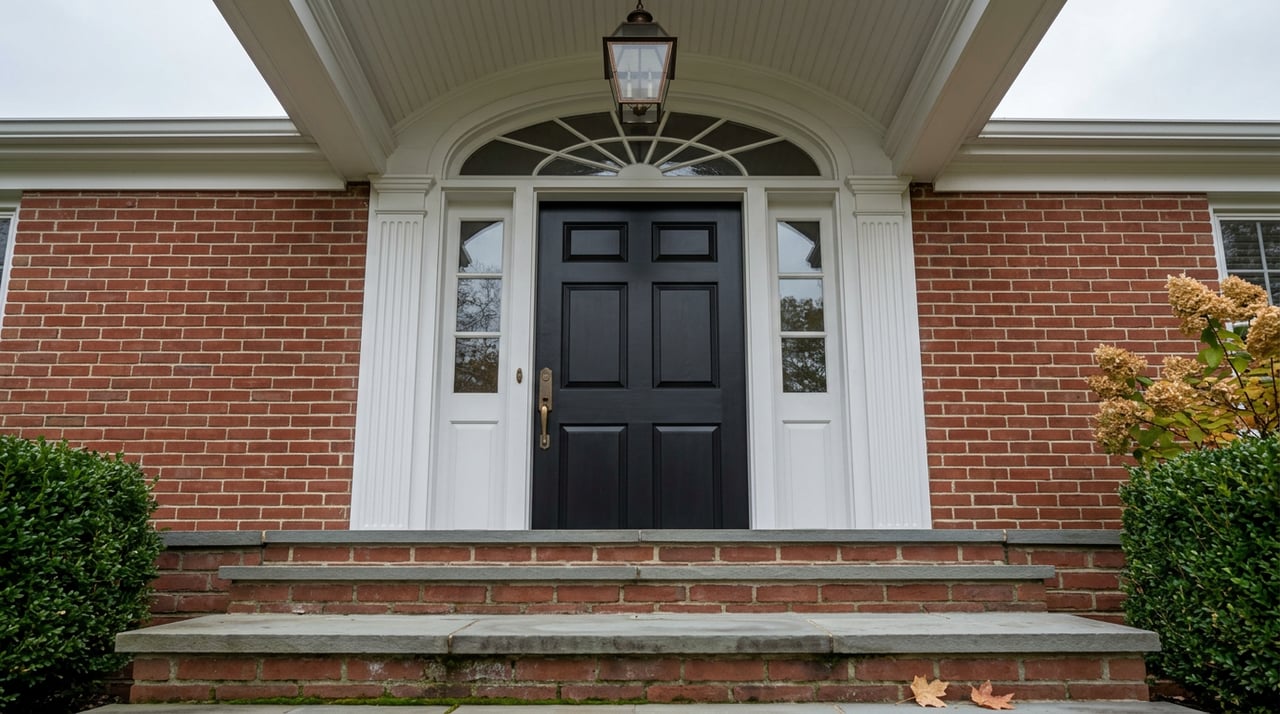
In Little Neck, first impressions start at the curb. Because the neighborhood is known for its suburban housing character, buyers often form opinions before they even walk through the front door. A tired exterior can make the whole home feel less updated, even when the interior has good space and layout.
NAR defines curb appeal as how the home looks from the street, and that first look matters. In spring, your exterior checklist may include:
- Fresh mulch and clean bed edges
- Trimmed shrubs and a neat lawn
- Power washing walkways, steps, and siding if needed
- A freshly painted front door
- Updated or cleaned exterior light fixtures
- Cleared driveways and tidy garage areas
These projects are usually manageable, but they can make your home feel cared for and market-ready right away.
Declutter before you do anything else
Before photos, before staging, and before showings, decluttering comes first. The NAR marketing guide specifically recommends cleaning and decluttering, including attention to windows, carpets, lighting fixtures, and walls. Buyers respond better to spaces that feel bright, open, and easy to understand.
That does not mean stripping your home of personality. It means removing excess furniture, clearing crowded surfaces, and packing away items that make rooms feel smaller or busier than they are. If you have lived in your home for many years, this step often takes longer than expected, which is why starting early matters.
Focus first on these high-impact areas:
- Entry and foyer
- Living room
- Kitchen counters
- Primary bedroom
- Closets and storage areas
- Basement, garage, and mudroom-style drop zones
For Little Neck buyers, storage, parking, flexible rooms, and easy day-to-day function can all be part of the appeal. Clean, organized utility spaces help reinforce that story.
Stage the rooms buyers care about most
Staging does more than make a home look nice. It helps buyers understand how the space can work for them. In the 2025 NAR Profile of Home Staging, 83% of buyers’ agents said staging helps buyers visualize the home as their future residence. The same report found that 49% of sellers’ agents said staging reduced time on market, and 29% said it increased the dollar value offered by 1% to 10%.
If you do not want to stage every room, prioritize the spaces that tend to matter most. NAR’s data points to the living room, primary bedroom, and kitchen as top priorities for buyers. The dining room is also commonly staged by sellers’ agents.
In practical terms, that may mean:
- Simplifying furniture layouts to improve flow
- Adding lighter, neutral bedding and textiles
- Using a few scaled accessories instead of many small items
- Defining flexible rooms clearly, such as office, guest, or bonus space
- Creating a brighter, cleaner look with updated lamps or bulbs
This is one area where Amy Liu’s design background can be especially valuable. A thoughtful staging plan can highlight the strengths of your home without making it feel overdone.
Make smart cosmetic updates
Spring prep is the right time to fix what buyers will notice immediately. Small condition issues can create bigger doubts in a buyer’s mind, especially when they are comparing several homes in the same price range.
A few common pre-listing updates include:
- Interior paint touch-ups or full repainting in key rooms
- Repairing wall dings, cracked caulk, or worn trim
- Replacing dated light fixtures where needed
- Fixing doors that stick or squeak
- Refreshing hardware if it looks worn
- Cleaning or replacing stained carpet
This work is not about chasing trends. It is about reducing distractions so buyers focus on the home itself.
Follow a 60 to 90 day timeline
If you want to hit the spring market well, work backward from your target list date. The most effective launches usually happen after the prep is complete, not while it is still in progress.
60 to 90 days out
This is your planning and clearing phase. Based on NAR’s recommended prep steps, this is the time to:
- Declutter and begin packing nonessentials
- Arrange donations, storage, or off-site bins
- Make a repair list
- Gather contractor or handyman quotes
- Walk through your exterior needs for spring curb appeal
This phase helps you make decisions early, before the schedule gets tight.
30 to 45 days out
Now the messy work should be underway or wrapping up. This is typically when you tackle:
- Painting
- Minor repairs
- Fixture updates
- Landscaping and exterior cleanup
- Staging plan decisions for priority rooms
If you are investing in presentation, this is where the return is usually highest. You are improving what buyers will notice in photos and during showings.
1 to 2 weeks before launch
At this point, your home should be almost show-ready. The final stretch is about polish:
- Deep cleaning
- Window cleaning
- Final staging
- Photo styling
- Touch-ups inside and outside
According to Realtor.com’s guide to real estate listing photography, listing photos should be taken in the best light for the home’s orientation, and a neat, lightly staged setting helps buyers picture themselves living there. That is why photography should happen after the work is done, not before.
Time your launch for exposure
You do not need to chase one perfect spring day, but you do want to be ready while seasonal demand is active. Realtor.com’s spring market update highlighted mid-April as a key period in the national spring selling season, while other research has pointed to late spring strength as well. The practical takeaway is simple: start early enough that you can launch when your home is polished, priced, and photo-ready.
That is especially important in a market where buyers are taking their time. With more inventory and longer decision cycles, rushing to market before your home is ready can cost you attention in the first week, which is often when interest is strongest.
Once the listing is live, the NAR consumer guide notes that MLS exposure typically provides the broadest reach, and that holding the first open house the first weekend can help maximize visibility. A clean launch sequence often looks like this:
- Finish prep
- Complete professional photography
- Go live on the MLS
- Hold an open house the first weekend if the schedule allows
Highlight the features Little Neck buyers notice
Your marketing should reflect how buyers actually live. In Little Neck, that often means emphasizing practical suburban features that support commuting, storage, and flexibility.
Depending on your home, that might include:
- Garage access and driveway parking
- Entry flow and coat or shoe storage
- Finished basement or bonus space
- Guest room or office flexibility
- Yard usability for outdoor living
- Easy access to the LIRR or major bus routes
These details help buyers connect your home to their daily routines. They also help your listing feel more specific and memorable in a competitive spring market.
A polished spring plan can pay off
Spring listing prep is not about making your home look perfect. It is about making it easy for buyers to see the value that is already there. In Little Neck, where many homes appeal to move-up and repeat buyers who want space, convenience, and move-in readiness, thoughtful prep can have a real impact on how your home is perceived.
If you are thinking about selling, a smart first step is getting clear on what to do, what to skip, and how to time everything. That is where local strategy matters. If you want expert guidance on pricing, presentation, and timing, connect with Amy Liu for a free home valuation and staging consultation.
FAQs
What should Little Neck sellers do first before listing in spring?
- Start with decluttering, deep planning, and a clear repair list so your home is easier to stage, photograph, and show.
How far in advance should Little Neck sellers prepare for a spring listing?
- A 60 to 90 day timeline is a practical window for decluttering, repairs, cosmetic updates, staging, and final photography.
Which rooms matter most when staging a Little Neck home for sale?
- The living room, primary bedroom, and kitchen should usually be the top priorities, with the dining room also worth attention if budget allows.
Do Little Neck sellers need to renovate before listing?
- Usually no. Most sellers benefit more from cleaning, decluttering, cosmetic repairs, curb appeal, and strong staging than from major renovations.
Why does curb appeal matter for a Little Neck spring listing?
- Because Little Neck has a suburban housing character, buyers often form their first impression from the street, so exterior cleanup and simple updates can make a big difference.
When should Little Neck sellers schedule listing photos?
- Schedule photos only after cleaning, repairs, and staging are complete so the home shows at its best online from day one.