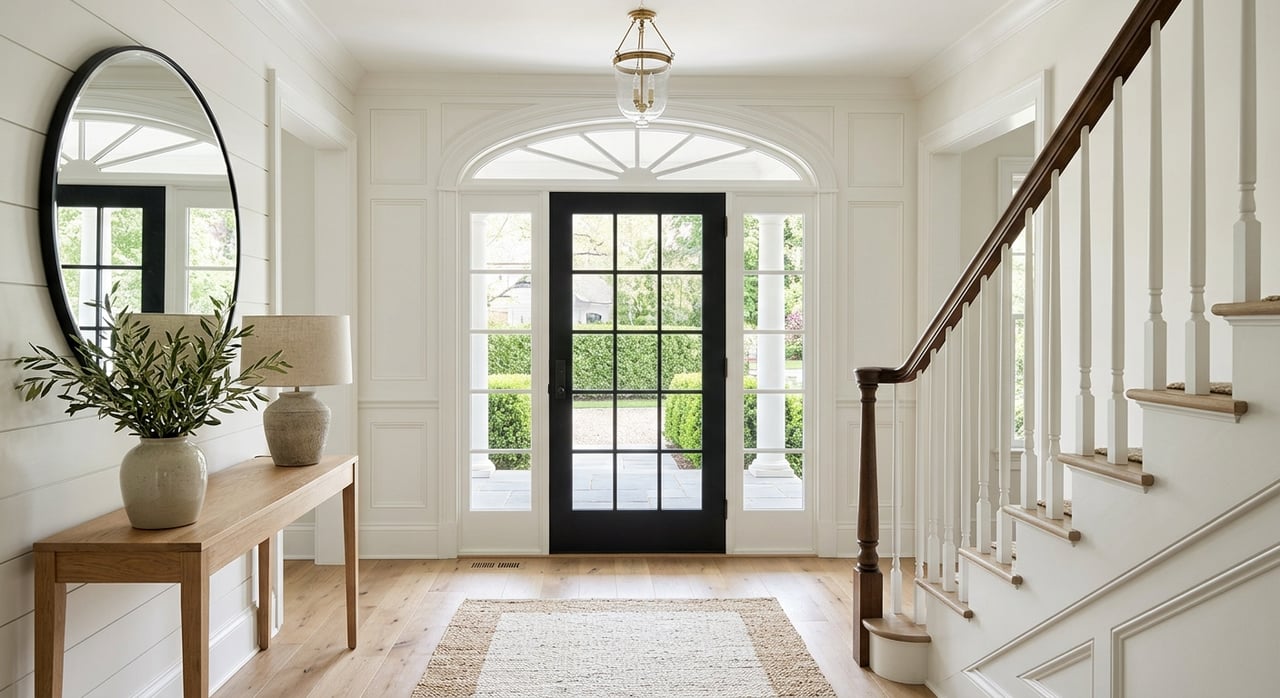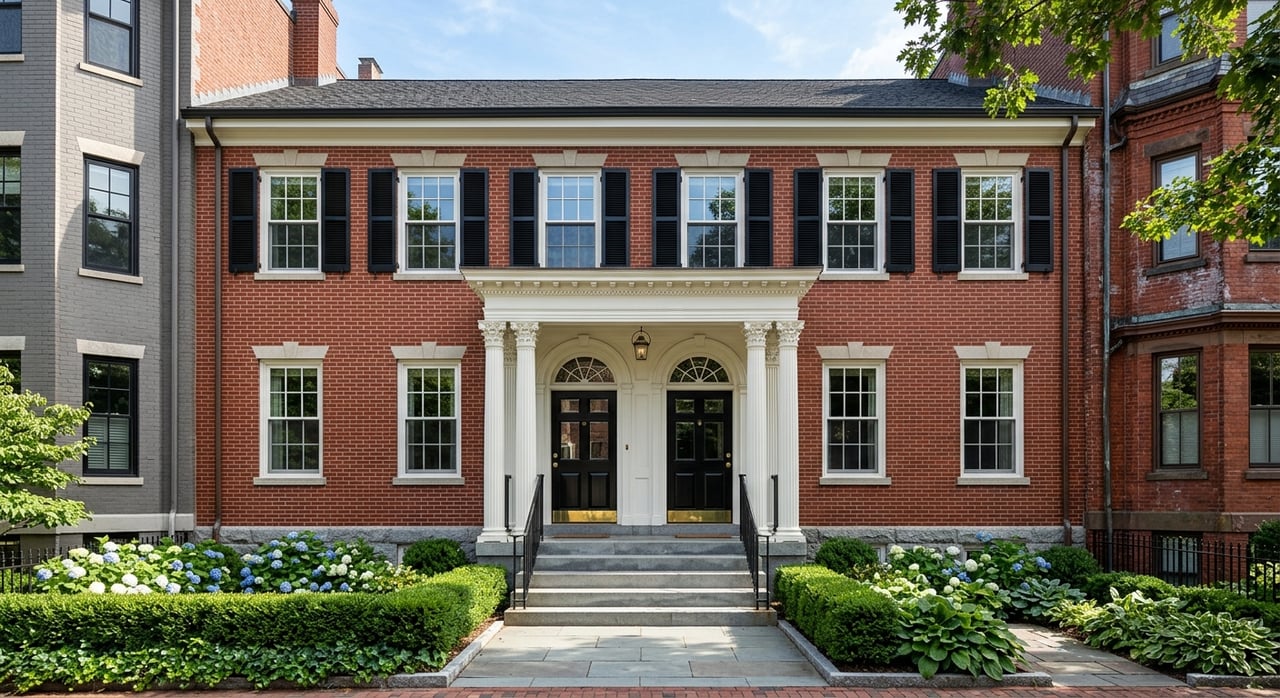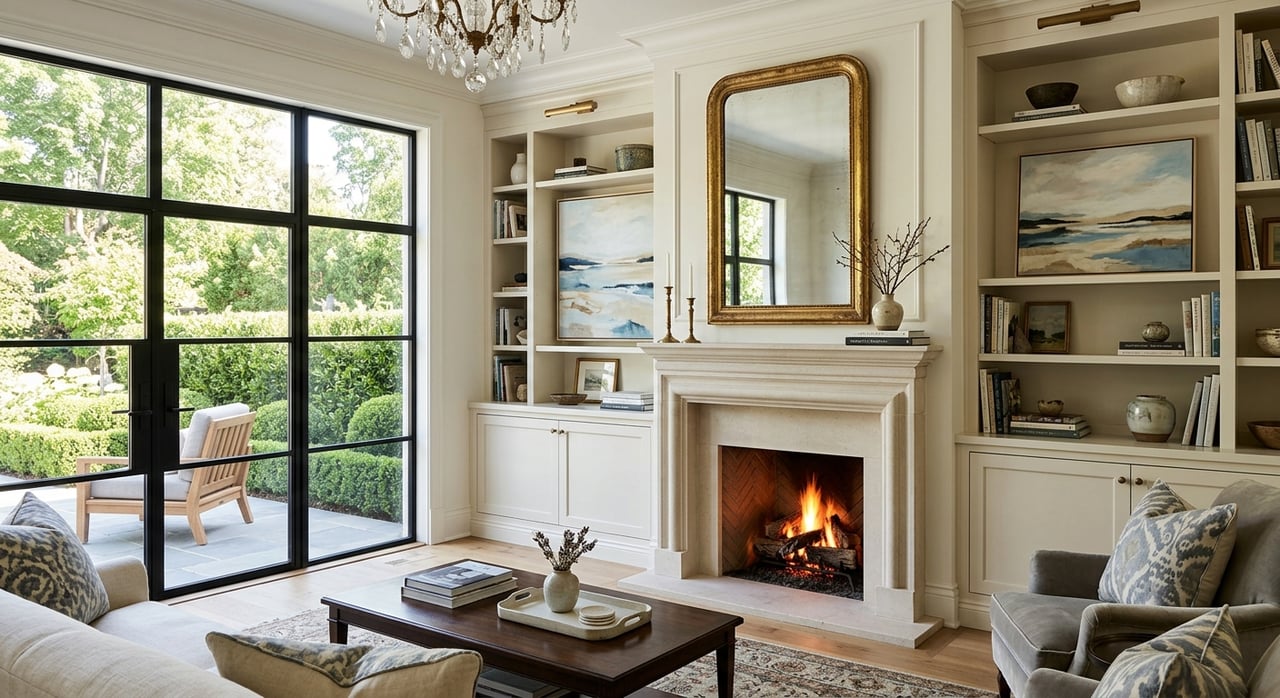
If your Manhasset home is going on the market, staging is not just about making it look pretty. In a market where the median listing price was $3,086,500 in April 2026, homes spent a median of 70 days on market, and sellers were still seeing a 103% sale-to-list ratio, presentation can help you protect your price and shorten your selling timeline. If you want your home to stand out online and in person, the right staging strategy can make a real difference. Let’s dive in.
Why staging still matters in Manhasset
Manhasset is a seller’s market, but that does not mean every listing performs the same way. When buyers are shopping in a premium price range, they tend to notice details quickly, compare homes carefully, and expect polished presentation from the start.
That is where staging earns its place. National Association of Realtors data shows staging helps buyers visualize a future home, and sellers’ agents reported that staging reduced time on market in 49% of cases. Another 29% reported a 1% to 10% increase in the dollar value offered.
In other words, staging is not just a cosmetic extra. In Manhasset, it can be a smart pricing-defense tool that helps your home feel worth every dollar.
Start with the rooms buyers notice most
If you are deciding where to spend your time and budget, not every room needs the same level of effort. The highest-impact spaces are the rooms buyers focus on first, both in listing photos and during showings.
NAR found buyers’ agents ranked the living room as the most important room to stage, followed by the primary bedroom and kitchen. That makes these spaces your first priority.
Stage the living room first
The living room often sets the emotional tone for the entire home. It should feel open, bright, comfortable, and easy to understand at a glance.
That usually means removing extra furniture, simplifying décor, and creating a clean layout that highlights scale and flow. In a Manhasset home, you want buyers to notice the room itself, not the number of accessories in it.
Refine the primary bedroom
Your primary bedroom should feel calm and spacious. Buyers respond well to a room that feels restful, uncluttered, and easy to move into.
Focus on crisp bedding, balanced nightstands, soft lighting, and minimal personal items. The goal is to create a polished retreat, not an overly designed space.
Clean up the kitchen visually
You do not always need a full renovation to improve the kitchen before listing. In many cases, a cleaner, lighter, less crowded look can go a long way.
Clear countertops, remove small appliances, tidy open shelves, and make sure every surface feels spotless. If paint touch-ups or simple cosmetic fixes are needed, those often offer more value before listing than major remodeling.
Do the prep work before styling
The best staging starts before a single pillow or accent chair comes into the picture. According to NAR, sellers’ agents most commonly recommend decluttering, whole-home cleaning, and curb appeal improvements before listing.
That order matters. Styling cannot fully compensate for visual noise, dirt, or worn finishes.
Declutter aggressively
Decluttering is one of the most important things you can do before launching your listing. It helps rooms feel larger, makes storage look more functional, and creates cleaner photos.
Start by removing excess furniture, packed bookshelves, countertop items, and highly personal objects. If a room feels full, buyers may read it as small, even when it is not.
Deep clean every space
A truly clean home reads as better maintained. That affects how buyers feel about the property as a whole.
Pay close attention to floors, windows, baseboards, kitchens, bathrooms, and light fixtures. In higher price brackets, buyers often expect a home to feel close to move-in ready, so cleanliness carries extra weight.
Fix visible cosmetic issues
Before you think about larger projects, handle the items buyers will spot right away. NAR’s 2025 Remodeling Impact Report found that painting the entire home and painting interior rooms were among the most commonly recommended pre-listing improvements.
Fresh paint, repaired scuffs, updated caulking, and small finish corrections can make your home feel more current without the disruption of a major renovation. For many sellers, that is the smarter path.
Treat curb appeal as part of staging
Your staging strategy should start before buyers walk through the front door. Exterior presentation shapes the first impression, and it also affects how your home performs online.
NAR found that 77% of sellers’ agents recommended improving curb appeal. For a Manhasset home, that means your front approach should look intentional, clean, and photo-ready.
Focus on the front approach
Take a close look at what buyers see from the street. The lawn, hedges, walkway, front steps, door, lighting, and entry details should all look neat and maintained.
If anything appears tired or distracting, address it before photography. Even small exterior issues can weaken the sense of quality you want buyers to feel from the beginning.
Prepare landscaping for photos
Luxury buyers often make snap judgments from the first few listing images. Clean edges, trimmed shrubs, swept hardscaping, and a fresh-looking entry can help your home photograph more strongly.
This is especially important in a market like Manhasset, where many homes compete on presentation as much as on size and location. The exterior should signal care, value, and consistency with the price point.
Make digital presentation part of the plan
Today, staging is not complete until the home is ready for the camera. Buyers often meet your property online first, and those first impressions shape whether they schedule a showing at all.
NAR reported that buyers’ agents said photos were more or much more important to clients 73% of the time. Videos and virtual tours also ranked highly, while traditional physical staging remained a major factor.
Stage for photos, not just showings
A room can feel acceptable in person and still fall flat in photos. That is why furniture placement, lighting, and styling choices should be made with photography in mind.
Rooms should read clearly in a single frame. Clean sightlines, balanced scale, and natural light matter because buyers will often decide in seconds whether a listing feels worth seeing.
Use virtual staging carefully
Virtual staging can be helpful in some situations, but it should not be your main strategy. NAR found that many sellers’ agents viewed virtual staging as less important, while buyers still showed strong preference for real photos, real staging, and video.
If your home is occupied or partially vacant, the strongest plan is usually to combine smart physical preparation with high-quality photography. That creates a more credible and appealing experience.
Match today’s buyer expectations
Buyer expectations are higher than many sellers realize. NAR found that 48% of respondents said buyers expected homes to look like they were staged on TV, and 58% said buyers felt disappointed when real homes did not live up to that standard.
That does not mean your home needs to look artificial. It means buyers expect a listing to feel bright, polished, and thoughtfully presented.
In Manhasset’s upper-end market, that expectation is even more relevant. A well-prepared home gives buyers confidence that the property has been cared for and positioned correctly.
A practical staging timeline for sellers
If you are planning to sell within the next 6 to 18 months, it helps to think in phases. A structured timeline can reduce stress and keep you from spending money in the wrong places.
Here is a practical sequence based on the research.
Phase 1: Repairs and paint
Start with visible maintenance and cosmetic fixes. Walk through your home as if you were seeing it for the first time.
Make note of scuffed walls, chipped trim, dated paint colors, worn caulk, and anything that distracts from the home itself. This is the foundation of effective staging.
Phase 2: Declutter and simplify
Once repairs are underway, begin editing your rooms. Remove what you do not need, simplify furniture layouts, and create breathing room in closets, cabinets, and living spaces.
This phase helps you prepare for both staging and packing. It also makes the final styling process much easier.
Phase 3: Stage and photograph
The final step is to style the home for launch. This is when furniture, artwork, bedding, and accessories should come together in a way that supports the photos and showing experience.
Try to schedule photography only after the home is fully ready. Once your listing goes live, you want the first impression to be your best impression.
What sellers should budget for staging
Staging costs vary, especially in a luxury market, but national data offers a helpful starting point. NAR reported a median staging-service cost of $1,500, compared with $500 when the seller’s agent handled staging themselves.
That does not mean every Manhasset home will fit those exact numbers. It does suggest that staging can be a manageable investment compared with the potential value of stronger photos, faster buyer interest, and more confident offers.
The key is to spend strategically. In most cases, your best return comes from decluttering, cleaning, paint, curb appeal, and focused staging in the most important rooms.
If you are thinking about selling in Manhasset, a design-led staging plan can help your home compete more effectively from day one. With the right preparation, you can make your listing feel polished, market-ready, and aligned with what buyers expect at this price point. For a personalized plan, connect with Amy Liu for a free home valuation & staging consultation.
FAQs
Does staging matter for Manhasset homes in a seller’s market?
- Yes. Even in a seller’s market, staging can help protect your price and reduce time on market. NAR found that 49% of sellers’ agents saw less time on market with staging, and 29% saw a 1% to 10% increase in dollar value offered.
Which rooms should sellers stage first in Manhasset homes?
- Start with the living room, primary bedroom, and kitchen. NAR found these rooms had the highest impact with buyers, while guest bedrooms ranked much lower.
Should Manhasset sellers remodel or stage before listing?
- In most cases, visible cosmetic improvements and staging should come before major remodeling. Painting, decluttering, cleaning, and fixing noticeable wear are often the most practical pre-listing steps.
Is every room worth the same staging effort?
- No. Public-facing spaces and the primary suite usually deserve the most attention. Secondary and guest bedrooms can often be kept simple, neat, and neutral without a large staging budget.
How important are listing photos for staged Manhasset homes?
- Very important. Buyers often see your home online first, and NAR found photos were one of the most important marketing tools for clients. That is why staging should support photography, not just in-person showings.