Two recent listings for homes a few blocks apart in Douglas Manor, the waterfront section of Douglaston bounded by Little Neck Bay, both mention the same mandatory homeowners association charge. One prices it at $650 a year. The other prices it at $900. Neither is a typo. They're two snapshots of a due that gets revised at an annual meeting and doesn't always make it onto a listing sheet before the sheet goes stale.
That gap matters less as an accounting error and more as a warning label. If a fee this basic can't be quoted the same way twice, a buyer comparing homes across Douglaston needs to ask a bigger question than "what's the median price here." They need to ask which Douglaston they're actually pricing.
Three Neighborhoods Wearing One Name
Douglaston isn't one housing market. It's a peninsula that grew in three distinct waves, and each wave still shapes what a buyer is paying for today.
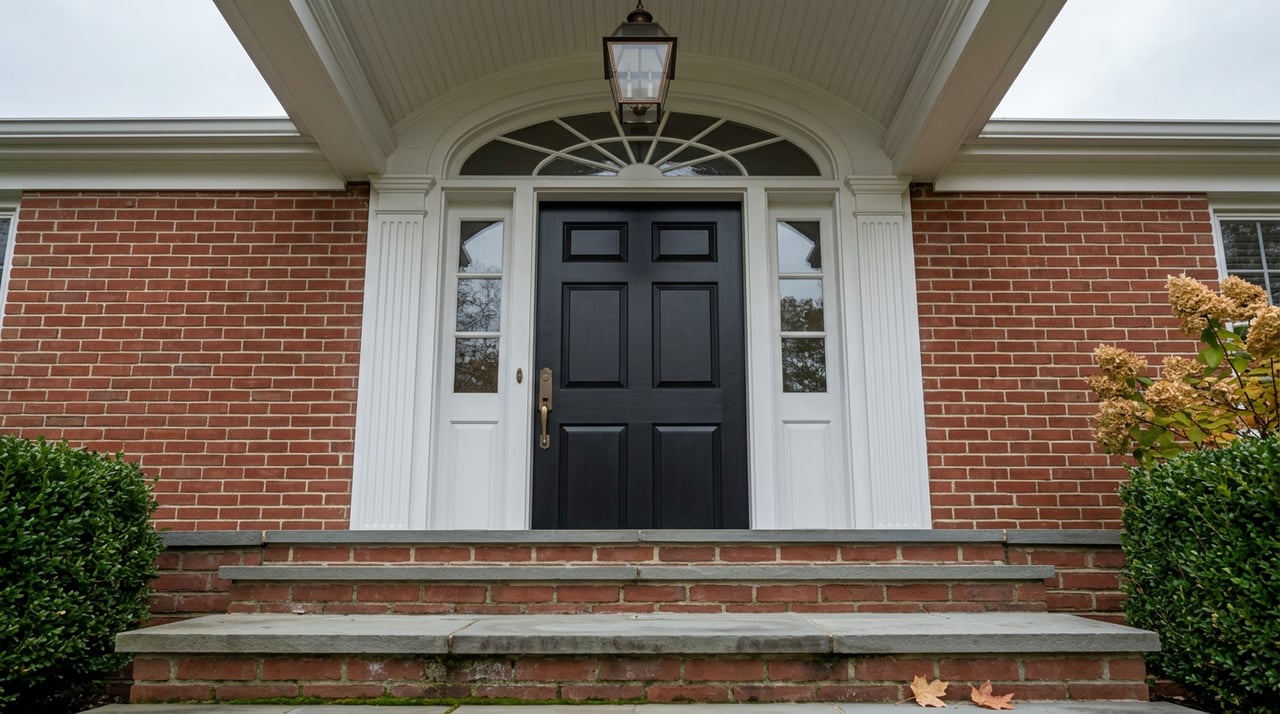
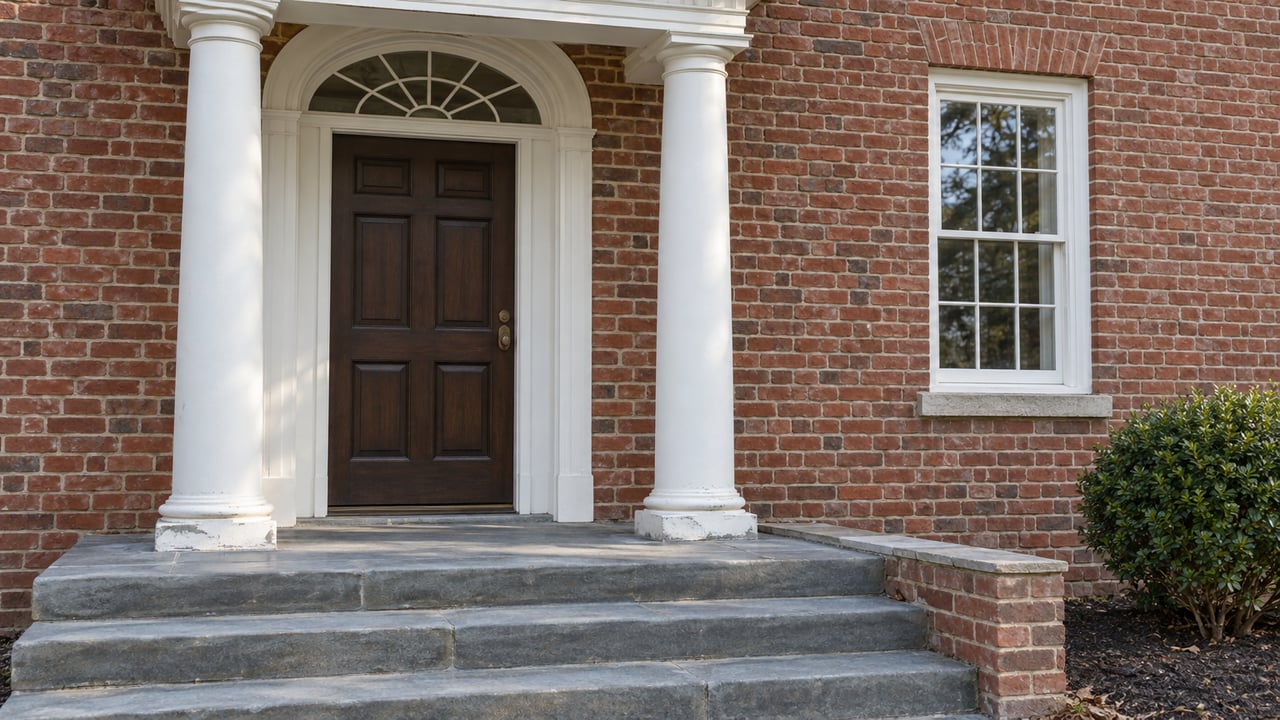
Douglaston Hill came first. Its oversized lots were laid out in 1853, and the Victorian and Queen Anne homes that still stand there are old enough that the neighborhood earned its own city historic district designation in December 2004, anchored by Zion Episcopal Church, built in 1830.
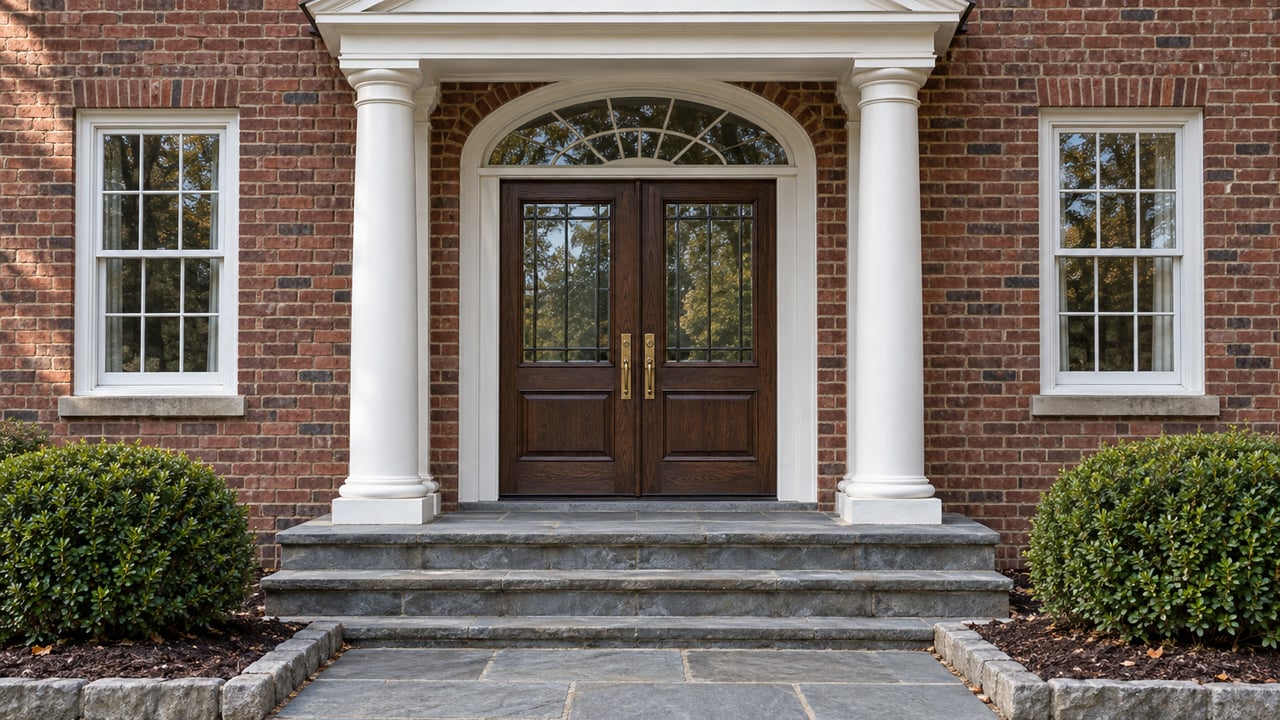
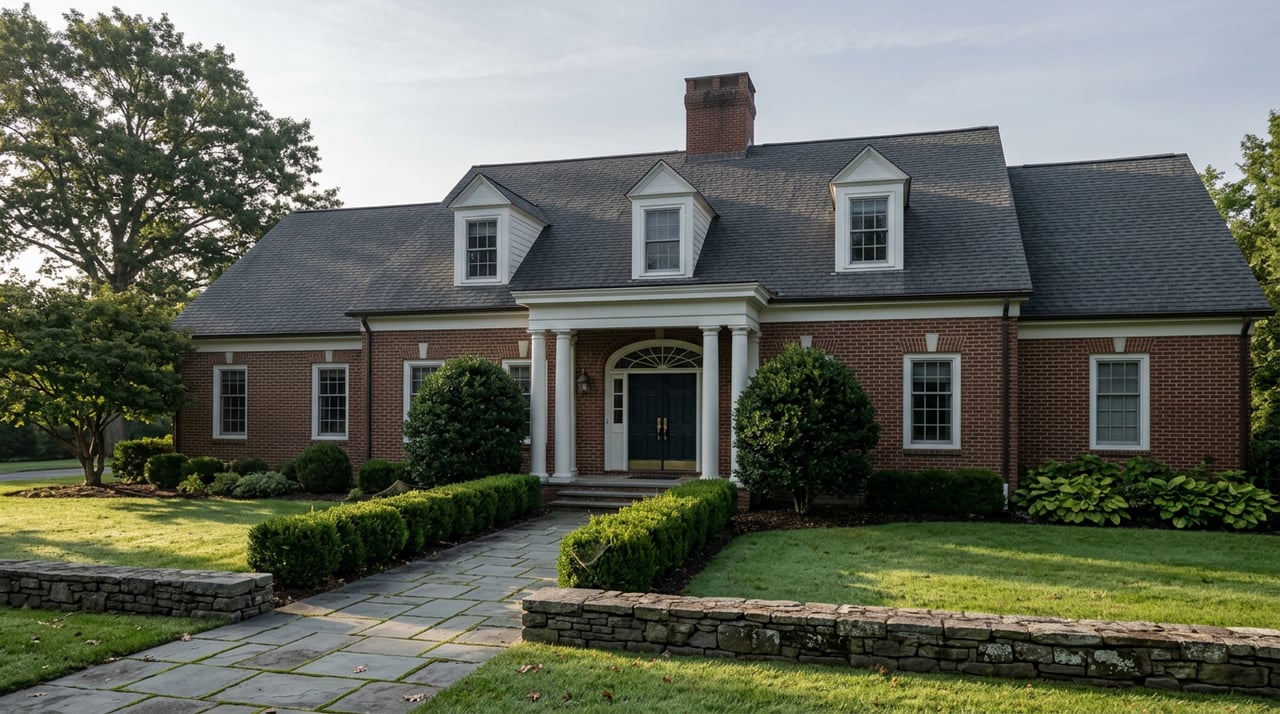
Douglas Manor came next. In the early 1900s, the Rickert-Finlay Realty Company bought roughly 175 acres of the old Douglas family land and built a planned community of Tudor, Colonial Revival, Mediterranean, and Arts and Crafts houses, using deed covenants to control how the neighborhood would look for good. Those covenants live on today as the Douglas Manor Association.
Douglaston Park came later still, filling in through the 1960s, 70s, and 80s with Capes, ranches, Tudors, and a cluster of four-story condo buildings. No covenants, no waterfront association, just a more conventional suburban product.
Anyone searching "Douglaston home prices" is usually comparing all three without realizing they're comparing three different cost structures, not three versions of the same house.
What One Median Was Actually Averaging
Public housing data from August 2026 put the median single-family house sale in Douglaston at $1.2 million, up 31.3 percent from a year earlier. In that same window, co-op sales in the neighborhood carried a median of $346,000, up a much smaller 2.4 percent. Condo activity that month was too thin to produce a reliable figure at all. A single "Douglaston median" has no way to hold a $1.2 million house and a $346,000 co-op in the same number without hiding one of them.
The sales count behind those figures was small, ten transactions that month, down more than 41 percent from the year before, which is exactly the kind of sample size where one unusually large or small sale can swing a median hard.
Zoom into Douglas Manor specifically and the swings get sharper. As of August 2026, homes.com listed the median home price in Douglas Manor at $1.599 million, while the average sale price for the same window sat at $2.885 million, a gap wide enough to notice. With only seven houses on the market at that point, ranging from roughly $1.15 million to just under $4 million, one high sale or one estate closing can pull an average well past the median.
Douglaston Hill tells a similar story from a different angle. Redfin data for the three months ending March 2026 showed a median sale price of $538,000 in Douglaston Hill, up 95.5 percent year over year, on just four recorded sales that March against five the year before. A near-doubling of the median on four transactions isn't a market shift. It's a small sample doing what small samples do.
None of these numbers are wrong. They're just answering different questions than the one most buyers think they're asking.
| Sub-area | Housing stock | Built | Private association fee | Landmarks review required |
|---|---|---|---|---|
| Douglaston Hill | Victorian, Queen Anne | Lots laid out 1853 | None | Yes, since December 2004 |
| Douglas Manor | Tudor, Colonial Revival, Mediterranean, Arts and Crafts | Early 1900s planned community | Yes, Douglas Manor Association | Yes, since 1997 |
| Douglaston Park | Capes, Tudors, ranches, four-story condos | 1960s through 1980s | None | No |
The Fee That Comes With the Deed, Not the House
The Douglas Manor Association was founded in 1906 and still governs roughly 595 households today, run by a 15-member volunteer board elected annually at a members' meeting. Dues are mandatory for every property owner inside the Manor's boundary and come due in full every April 1.
What the dues actually fund is specific. They cover maintenance of the shoreline, a private dock, and a mooring field where members keep boats, kayaks, and canoes. They fund Memorial Field and its playground, the shared landscaped green spaces around the neighborhood, and overnight security patrols. The association also keeps a reserve study on file to plan for bigger repairs down the road.
That's a real bundle of amenities, and it's also a real recurring bill that a listing price alone won't tell you about. The $650-versus-$900 gap between two current listings is a reminder to treat any dues figure printed on a spec sheet as a starting point rather than a locked-in number. Confirm the current year's assessment directly before writing an offer around it, since dues can be revised at the annual meeting faster than a listing gets updated.
It's also worth separating two things that get bundled together in people's heads. The Douglaston Club, built around 1819 as the Van Zandt family's manor house and later expanded into a private club with tennis courts, a pool, and a dining room, sits just blocks from Douglas Manor. It has its own separate membership and its own separate cost. It isn't funded by, or included in, the association dues that come with owning a home in the Manor.
The Review Board That Doesn't Send a Bill
Douglas Manor's landmarks status arrived in 1997, when the city's Landmarks Preservation Commission designated the area as the Douglaston Historic District, covering 631 contributing buildings spread across a mile-long stretch of peninsula reaching into Little Neck Bay. Any new construction or exterior change inside that boundary needs commission approval before it happens.
Douglaston Hill got its own, separate designation in December 2004, covering a much smaller cluster of 83 contributing buildings. That means a buyer choosing a Victorian on Douglaston Hill faces the same city landmarks review as a buyer choosing a Tudor in Douglas Manor, without paying anything close to a comparable private association fee for the privilege.
Douglaston Park sits outside both districts entirely. A ranch house or a unit in one of the four-story condo buildings there can be re-sided, re-roofed, or extended without a landmarks hearing standing in the way.
Put together, the pattern isn't that older equals more expensive to own. It's that the fee and the design review are two separate obligations that only overlap in one part of the peninsula. Douglaston Hill carries the review without the fee. Douglaston Park carries neither. Douglas Manor carries both, along with the shoreline access that comes with them.
What This Means If You're Comparing Douglaston Options
Comparing a Tudor in Douglas Manor to a Cape in Douglaston Park isn't really a comparison of square footage. It's a comparison of a bundle, shoreline access, a private dock, security patrols, and covenant-protected architecture, against a lower carrying cost and more freedom to renovate on your own timeline.
Before comparing prices across these sub-areas, it helps to ask a seller or listing agent for the current year's dues notice rather than relying on the number printed in the listing, to confirm whether a specific address falls inside the Douglaston Hill district or the Douglaston Historic District boundary, and to ask about any special assessments the association board has discussed at recent meetings. None of that shows up in a median price, and all of it shows up in what you'll actually pay to own the house for the next ten years.
Frequently Asked Questions
Does every home in Douglaston belong to the Douglas Manor Association? No. The association covers only the roughly 595 households inside the Douglas Manor boundary. Homes in Douglaston Hill and Douglaston Park pay no comparable private fee.
Do I still need Landmarks Preservation Commission approval if I buy in Douglaston Hill instead of Douglas Manor? Yes. Douglaston Hill has held its own city historic district designation since December 2004, so exterior changes there go through the same commission review as Douglas Manor, even without a private association fee attached.
Why do median price figures for Douglaston vary so much between reports? Because the name covers house sales, co-op sales, and, within Douglas Manor specifically, a market thin enough that a single transaction can move the median or the average on its own. A figure from one month or one data source describes a narrow slice, not the whole peninsula.
If you're weighing a house in Douglas Manor against one in Douglaston Hill or Douglaston Park and want the actual dues notice, district boundary, and comparable sales pulled together in one conversation, Amy Liu can walk through what each option costs to carry, not just what it costs to buy.