Are you thinking about trading your condo or co-op for a house in Flushing so you can have a yard, more bedrooms, and an easier setup for family life? You are not alone. Many buyers make this move for space, privacy, and access to transit. In this guide, you will see current price ranges, what single-family homes in Flushing look like, how to evaluate a listing, the costs to budget, and how to make a competitive offer. Let’s dive in.
Flushing market at a glance
As of January 2026, Flushing’s median sale price across all home types sits around $730,000, and recent sales have averaged about 96% of list price based on neighborhood trackers. Single-family homes run higher because the area includes many condos and co-ops. Several aggregators place the single-family median roughly between $1.0M and $1.1M in Flushing. Inventory rose notably in 2025, which means leverage can shift week to week by micro-pocket.
Here is a quick snapshot to set expectations:
- Price band: many single-family homes in Flushing close between about $900,000 and $1.5M, with outliers above $2M depending on lot size, location, and renovation level.
- Tempo: sale-to-list ratios hover in the mid-90s, so clean, realistic offers matter.
- Trend: after 2025’s inventory rise, days on market and price adjustments vary by block. Treat comps and active listings as hyper-local.
Note: Different data sources use different boundaries and property mixes. Always confirm current figures with a local agent and your attorney before you offer.
Neighborhood primer: where houses cluster
Flushing is diverse in both housing and street life. The core near Main Street is dense and commercial, while north and east Flushing feel more residential. A helpful overview of these contrasts appears in this neighborhood profile.
Downtown Flushing
- Character: busy retail and restaurant corridors, many condos and co-ops, and limited single-family stock.
- Trade-off: unmatched convenience to shopping and transit vs. fewer detached homes with yards.
North and East Flushing
- Character: more single-family streets with detached or semi-detached houses.
- Styles: early to mid-20th-century Tudors, Colonials, and bungalows, along with select newer rebuilds.
- Broadway–Flushing: known for larger single-family homes and scale-preserving rules. Learn more about the area’s historic context and preservation aims in the Broadway–Flushing overview.
What single-family homes look like in Flushing
Most houses you will tour fall into these buckets:
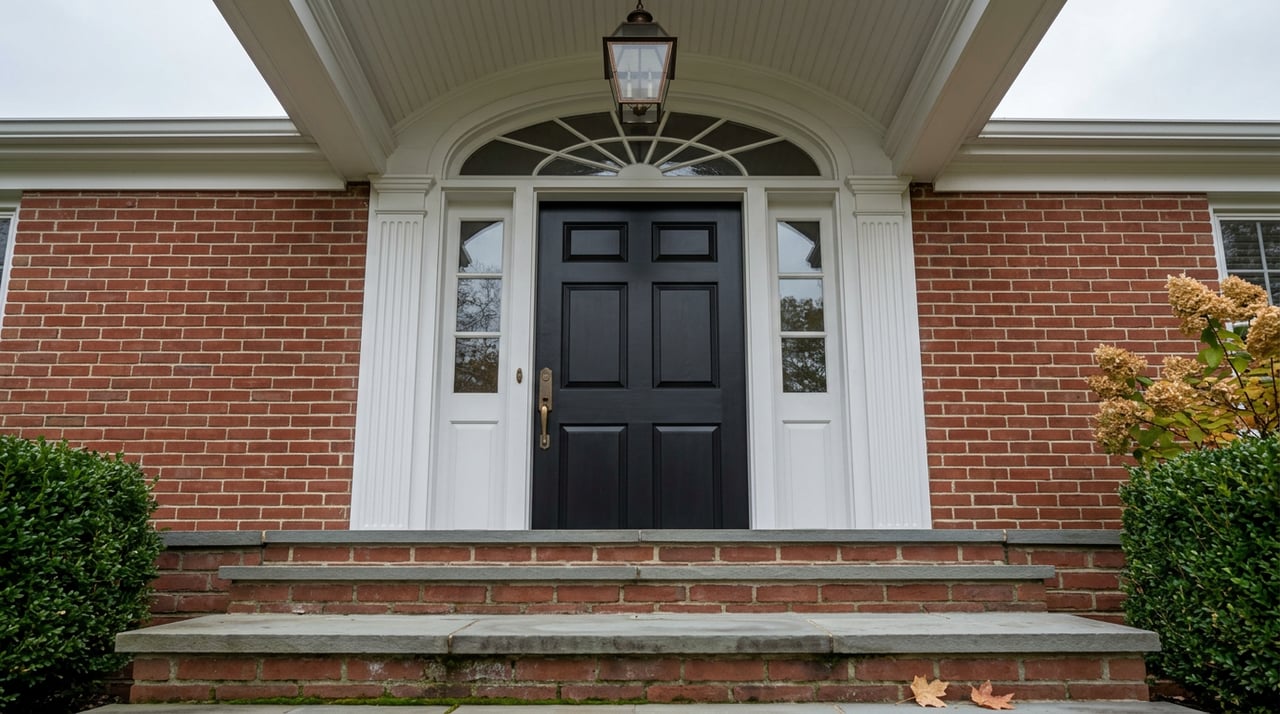
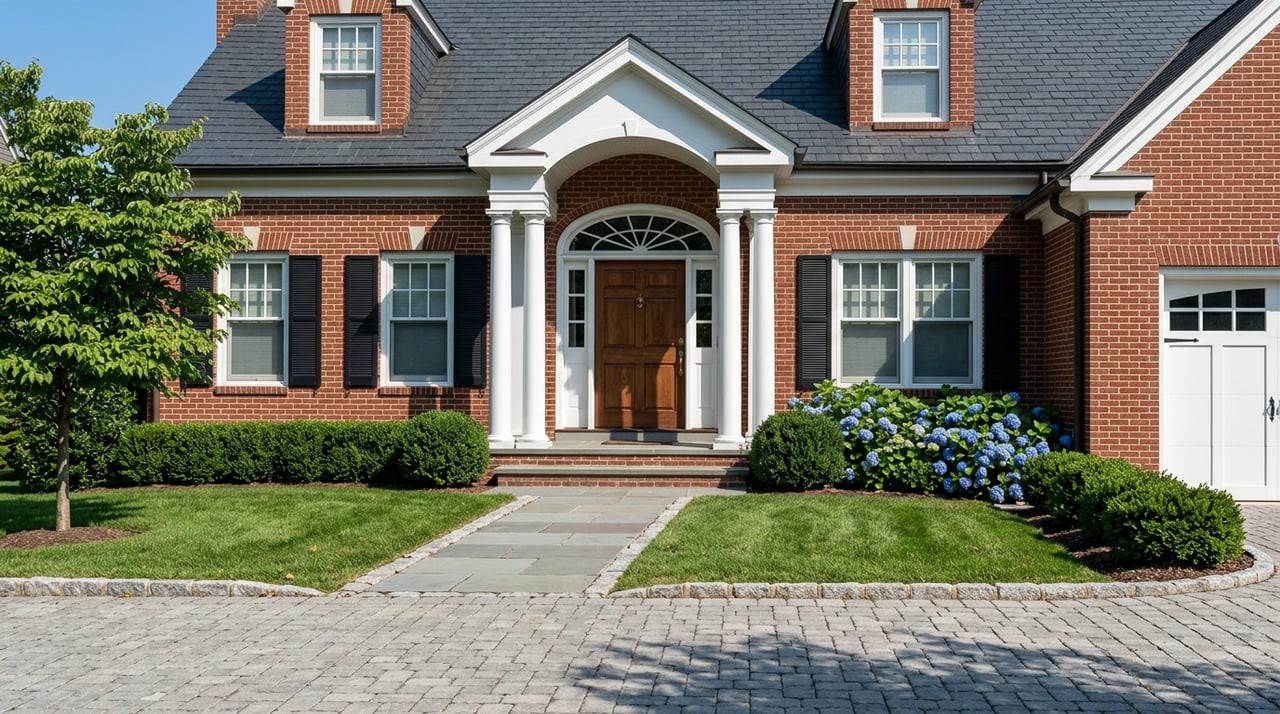
- Layouts: two-story or two-and-a-half-story footprints with 2–4 bedrooms upstairs and main-level living below. Finished basements are common.
- Parking: narrow driveways or a small detached garage. Street parking rules vary by block.
- Age and systems: many houses were built before 1950, so plan to review roof, electrical, plumbing, and heating system age.
- Yards: modest front lawns and small backyards compared with Nassau suburbs.
- Renovations: kitchens and baths often vary widely in quality. Unpermitted past work, basement units, or ad-hoc subdivisions are not unusual and can affect financing and insurance.
Condition and legal status matter. A newly renovated home with permitted work and a clean history will appraise and insure more predictably than a house with open violations or a non-compliant basement.
Your step-by-step buyer checklist
Use this due diligence flow for every house you consider:
- Get fully pre-approved.
- Ask your lender for a detailed pre-approval, not just a pre-qualification. Sellers in this market expect it.
- Confirm zoning and allowed use.
- Use the City Planning zoning map (ZoLa) to confirm setbacks, floor area ratio, and residential use. For a clear how-to, see this NYC zoning guide. If the home sits in or near a preservation area like Broadway–Flushing, know that scale limits may apply.
- Pull DOB records for permits and violations.
- Search the Department of Buildings BIS system for permits, past jobs, open violations, and stop-work orders. Save screenshots for your file.
- Check housing maintenance complaints.
- HPD tracks building complaints like heat, pests, and lead hazards. A helpful walkthrough for searching HPD is here: How to check HPD violations.
- Review ownership and deed history.
- Use ACRIS to see the deed chain and past mortgages. This guide shows you where to look: How to find who owns a NYC building.
- Confirm the Certificate of Occupancy (C of O).
- Make sure the C of O matches current use and layout. Non-compliant basement apartments are a common issue. Check and verify through BIS.
- Order inspections and environmental checks.
- Hire a licensed home inspector for roof, structure, and systems. For pre-1978 houses, ask about lead paint risks. In older homes, verify whether an underground oil tank exists. Your lender or attorney may also recommend a sewer scope or other specialized inspections.
Do not skip inspections or records checks, even if competition is intense. Open violations or illegal conversions can delay closing and add costly remediation.
How to make a competitive offer
Sale-to-list ratios in Flushing sit in the mid-90s on average, and an increasing share of homes close at or above asking when they are priced right. Stand out with a clear, complete package:
- Your offer package: a short cover note, signed pre-approval or proof of funds, and a proposed closing range with a realistic inspection timeline.
- Contingencies: keep them reasonable. Waiving an inspection or title review is risky. Always consult your attorney.
- Deposit: earnest money is commonly several percent of the purchase price and held in escrow. The exact number varies by deal and lender.
- Timing: be flexible on the seller’s preferred closing date when possible.
Costs to budget before you buy
You will face three big buckets of costs: mortgage-related fees, taxes at closing, and ongoing property taxes.
NYC property taxes for houses
Most one- to three-family homes fall under Class 1. For tax year 2026, the Class 1 rate is approximately 19.843% applied to the taxable assessed value, not the market price. NYC uses a two-step process: it first sets an assessed value based on formulas, then applies the class rate. Learn more on the Department of Finance’s property tax rates page. Because assessments and exemptions can be complex, speak with a CPA for a personalized estimate.
Transfer taxes at closing
- NYC Real Property Transfer Tax (RPTT) for 1–3 family, condo, or co-op: 1.0% on $500,000 or less, 1.425% on amounts over $500,000. See the city’s RPTT overview.
- New York State transfer tax: typically 0.4% of the purchase price. State rules also impose a mansion tax that starts at 1% for residential sales of $1,000,000 and up, with higher tiers at larger prices. Details are on the NYS Tax Department’s transfer tax page.
Who pays what can vary. In many transactions the seller covers RPTT, but parties sometimes negotiate allocations. Your attorney and title company will confirm the final figures for your deal.
Flushing vs. nearby single-family areas
- Prices and lots: Bayside, Douglaston, and Whitestone often offer larger lots and, on average, higher single-family prices than central Flushing. Nassau County towns like Great Neck tend to skew pricier and feature larger parcels, with different tax structures.
- Commutes: Flushing’s subway access on the 7 train and its LIRR stop at Main Street are major draws if you want frequent service to Manhattan. Bayside and Douglaston rely on the LIRR with fewer subway options, which can change your last-mile routine.
If you need more land and a quieter street grid, you may look east. If your priority is walkable access to shops and direct subway service, Flushing proper can be a better fit.
Mandarin-friendly help and resources
Flushing is one of New York’s most linguistically diverse neighborhoods. Many official sites offer Chinese-language support, including the NYC Department of Education’s family resources.
Key terms you may hear, with simple translations:
- Pre-approval: 预先批准
- Home inspection: 验房
- Certificate of Occupancy: 使用许可证
- Title search: 产权调查
- Transfer taxes: 过户税
- Permit: 施工许可
If you would like this guide summarized in Mandarin during a consult, just ask.
Ready to tour homes in Flushing?
When you want a turnkey house, the right block, and a confident offer strategy, partner with a neighborhood expert who knows the streets, the comps, and the process. Reach out to Amy Liu for bilingual guidance, a curated list of on- and off-market options, and a calm, concierge experience from search to close.
FAQs
What should I budget for a single-family home in Flushing in 2026?
- Most buyers should plan for a price range around $900,000 to $1.5M for many listings, with renovated or larger-lot homes reaching above $2M, and confirm exact comps with a local agent.
How do I confirm if a basement apartment is legal in Queens?
- Check the Certificate of Occupancy and permit history through the NYC Department of Buildings BIS system and have your attorney review the records before you close.
Where can I look up my zoned public school?
- Use the NYC Department of Education’s address tools and school pages at schools.nyc.gov to verify the correct zoned school for a specific property.
What are typical NYC transfer taxes on a Flushing house?
- Expect NYC RPTT at 1.0% up to $500,000 and 1.425% above that, plus the NYS 0.4% transfer tax and the state mansion tax starting at 1% for prices of $1,000,000 and higher.
Which records should I always check before I make an offer?
- Confirm zoning via ZoLa (see this zoning guide), run DOB BIS for permits and violations, review HPD complaints, and pull ACRIS deed history, then order a full home inspection.