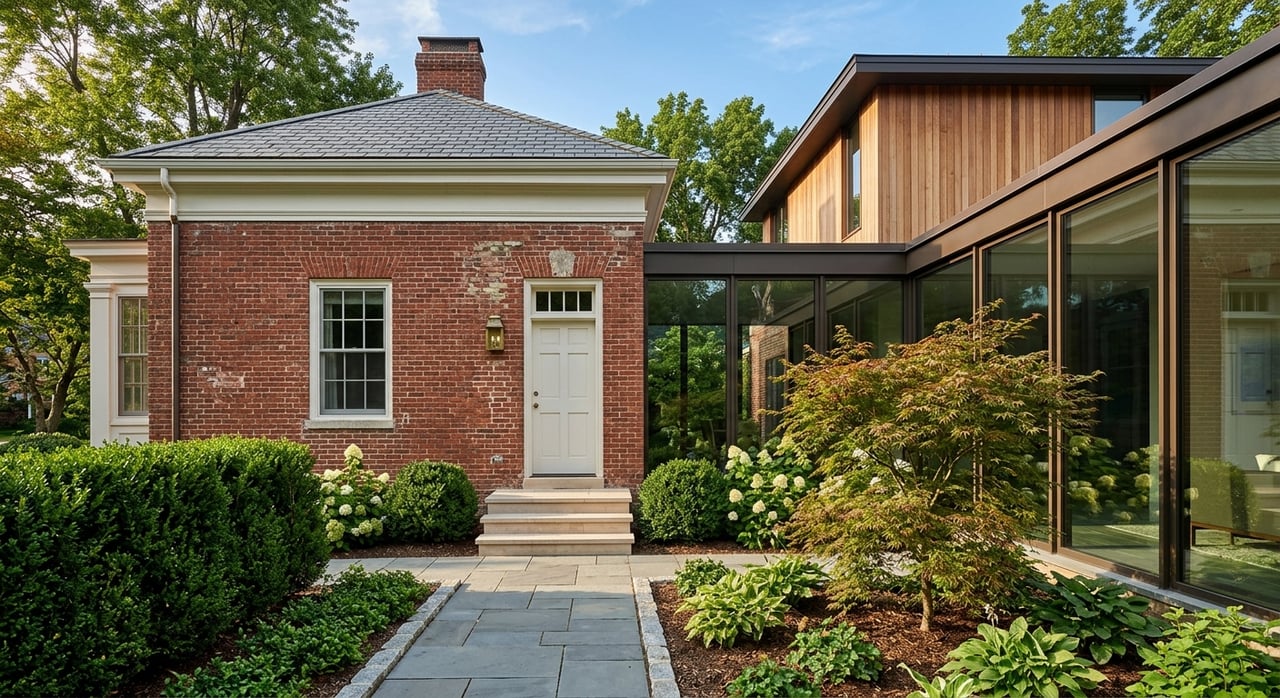
Buying in Flushing often comes down to one big question: do you want the freshness of newer construction or the character of an older home? If you are weighing both, you are not alone. In this market, each option can make sense, but the better fit depends on your budget, your timeline, and how much work you want to take on after closing. Let’s break it down.
Flushing Offers Both Old and New
Flushing gives buyers a mix that is not always easy to find in one neighborhood. Older one-family homes remain a real part of the local housing stock, while much of the newer development has been in larger 4+ unit buildings.
That matters when you start your search. If you want a detached single-family home with newer finishes, your choices may be more limited. If you are open to an older home, you may see more variety in layout, lot size, and style.
What the Local Market Suggests
In the broader Flushing and Whitestone area, homeownership was 52.5% in 2024. Median sales price per unit was about $1.06 million for 1-family buildings, compared with $625,000 for 2-4 family buildings and $630,000 for condominiums.
From 2010 to 2025, the area added 5,142 units in 4+ unit buildings, with most of that growth in market-rate housing. In 2025 alone, 301 units were authorized by new residential permits and 673 units received certificates of occupancy.
Taken together, those numbers show a clear pattern. Flushing has seen new housing growth, but much of it has been in higher-density formats rather than newly built detached homes.
Why Buyers Choose Newer Homes
For many buyers, newer homes offer peace of mind. They usually start from a more current construction and efficiency baseline, since New York City’s Energy Conservation Code applies to new construction and major alterations.
That can translate into fewer near-term upgrades. If you are looking for a home that feels more move-in ready, a newer property may help you avoid immediate projects and reduce the chance of large early repairs.
Newer Homes May Offer More Predictability
A newly built or recently completed home often appeals to buyers who want fewer surprises in the first few years. In many cases, the heavy lifting of building, permitting, and final sign-off has already been done.
This does not mean you should skip your due diligence. It does mean the property may come with a more current mechanical and construction baseline than an older home.
Newer Single-Family Homes Can Be Harder to Find
There is a tradeoff. Because recent development in the broader Flushing area has been concentrated in 4+ unit buildings, buyers searching for a newly built detached single-family home may find fewer options.
That can affect both price and flexibility. You may need to widen your search area, adjust your wish list, or pay more for turn-key condition.
Why Buyers Still Love Older Homes
Older homes continue to attract buyers for good reason. They can offer charm, a more established streetscape, and the chance to update the property over time instead of paying for every upgrade upfront.
In the broader Queens Community District 7 area, 19.2% of housing units were built in 1939 or earlier. The same profile showed 18.8% 1-unit detached homes and 7.6% 1-unit attached homes, which helps explain why older homes remain a normal part of the local market.
Older Homes Can Offer Flexibility
If you are comfortable improving a home in phases, an older property can create options. You may decide to refresh cosmetic finishes first, then tackle bigger system or layout changes later.
This path often works best for buyers who are patient and organized. It can also suit buyers who want to shape the home around their own style instead of paying a premium for someone else’s finishes.
Older Homes Need a Closer Review
With older homes, the main issue is not age alone. It is whether the home has been properly maintained, updated, and documented over time.
In New York City, cosmetic work like painting, plastering, installing cabinets, or resurfacing floors may not require permits. More involved work often does, and substantial kitchen or bathroom remodels may require DOB permit filings and, in some cases, a licensed architect or engineer.
Key Risks to Understand in Older Flushing Homes
Older homes can be wonderful, but they reward careful review. Before you fall in love with original details or a larger lot, make sure you understand the practical side of ownership.
Lead Paint Rules Matter
New York City banned lead paint for residential use in 1960, but older buildings may still contain it. HPD requires owners of pre-1960 residential buildings, and some buildings from 1960 to 1978 where lead is known, to presume paint is lead-based and address hazards, especially in homes with young children.
If you are considering an older property, ask clear questions about the building’s age and any lead-related compliance history. This is especially important if you plan to renovate soon after closing.
Renovations Can Be More Complex
Many buyers assume they can update an older home whenever they want. In reality, the scope of your project may affect timeline, cost, and approvals.
Kitchen and bathroom remodels often need DOB permit filings when the work is substantial. If the project touches structure or major systems, you may need design and filing support from a licensed professional.
Historic Rules Can Limit Exterior Changes
If a property is landmarked or located in a historic district, exterior changes may require review by the Landmarks Preservation Commission. That review can apply even when a DOB permit is not required.
This does not make the property a bad choice. It simply means you should confirm the rules before assuming an exterior update will be quick or simple.
How to Choose the Right Fit for You
The best way to compare newer and older homes in Flushing is to separate purchase price from post-closing spending. In a market where 1-family homes already carry a high median sale price, the real decision is often whether you want to spend more upfront for newer condition or buy older and improve the home over time.
A newer home may fit you best if you value predictability, current finishes, and fewer immediate projects. An older home may fit you better if you are comfortable planning repairs, managing upgrades, and making decisions in stages.
A Practical Flushing Home Comparison
Here is a simple way to think about the tradeoff:
| Factor | Newer Home | Older Home |
|---|---|---|
| Condition at closing | Often more move-in ready | May need updates or repairs |
| Energy baseline | Usually more current | May need efficiency upgrades |
| Immediate projects | Typically fewer | Often more likely |
| Inventory in Flushing | More limited for detached single-family homes | More common in the existing housing stock |
| Personalization | Less work needed, but fewer opportunities to redesign | More room to customize over time |
| Permit complexity | May be lower at the start | Can be higher for future remodels |
Your Flushing Buyer Checklist
Before you make an offer, keep your review focused on the details that affect cost and flexibility later.
- Confirm the year built
- Ask which major systems have been replaced
- Verify whether planned remodels would need DOB filings
- Check for possible lead paint exposure risk if the home is pre-1960
- Confirm whether the property is landmarked or in a historic district before planning exterior changes
This kind of checklist can save you from expensive assumptions. It also helps you compare homes more clearly when two listings look similar on the surface but carry very different long-term costs.
If you are weighing newer versus older homes in Flushing, the smartest move is to look beyond finishes and focus on what ownership will feel like after closing. A well-chosen home should fit not only your taste, but also your budget, timeline, and comfort level with future projects. For tailored guidance on Flushing single-family homes and a more design-focused view of value, connect with Amy Liu.
FAQs
What should buyers compare when choosing between new and older homes in Flushing?
- Compare purchase price, likely post-closing repair or renovation costs, year built, system updates, permit needs, and whether you want move-in-ready condition or room to customize.
Are newly built single-family homes common in Flushing?
- New housing has been added in the broader Flushing area, but much of the recent development has been concentrated in 4+ unit buildings, which can make newly built detached single-family homes harder to find.
Why do older homes in Flushing still attract buyers?
- Older homes can offer character, established surroundings, and the ability to update the home in phases, which appeals to buyers who want more control over design and timing.
What should buyers know about lead paint in older Flushing homes?
- In New York City, older residential buildings may still contain lead-based paint, and pre-1960 properties require special attention to possible lead paint hazards and compliance obligations.
Do renovations in older Flushing homes always need permits?
- Not always. Cosmetic work may not require permits, but more substantial projects, including many kitchen and bathroom remodels, can require DOB filings and sometimes licensed professional involvement.
Why should buyers check landmark status before buying an older Flushing home?
- If a home is landmarked or in a historic district, exterior changes may need Landmarks Preservation Commission review, which can affect renovation plans, timing, and design options.