Trying to choose between a co-op, condo, or house in Flushing? You are not alone. With strong demand, diverse buildings, and fast access to transit, Flushing offers every path to ownership. The key is knowing how each option affects your budget, approval process, flexibility, and resale. In this guide, you will learn the practical differences and how to match them to your priorities. Let’s dive in.
Flushing housing at a glance
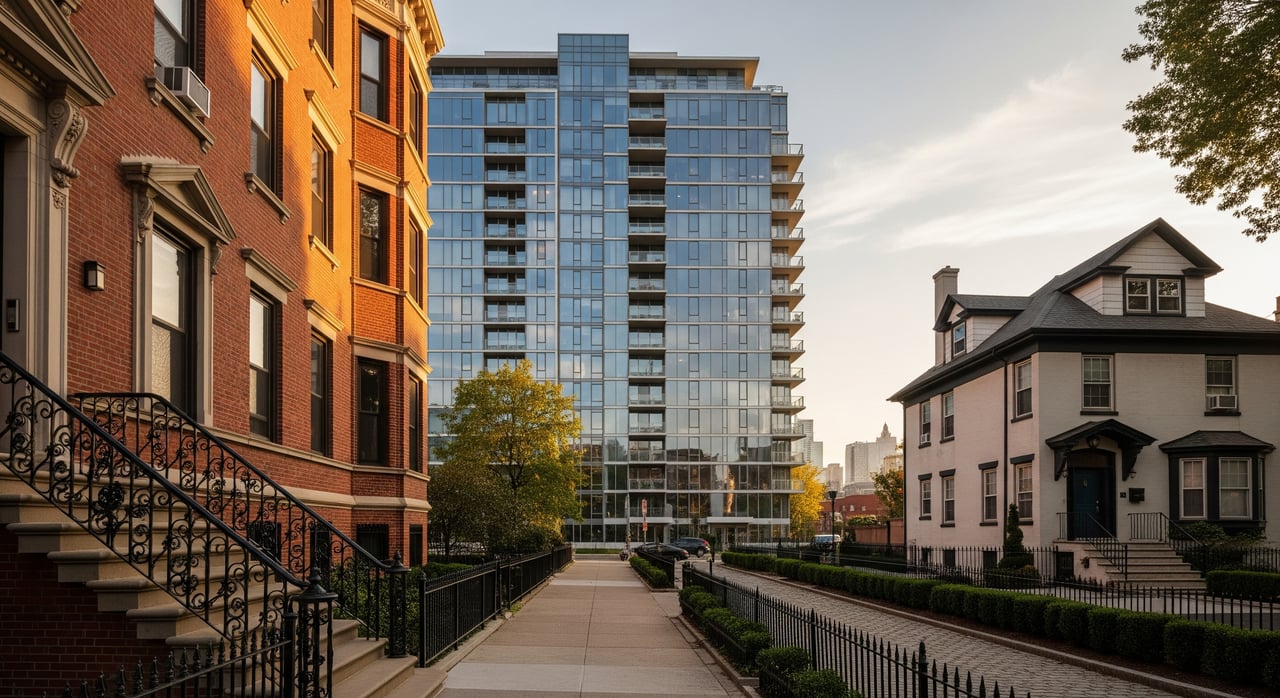
Flushing is a dense, transit-friendly neighborhood with the 7 train, buses, and nearby LIRR shaping demand. You will see a wide mix of homes across the area.
- Co-ops are common in mid-century buildings and garden complexes near central Flushing.
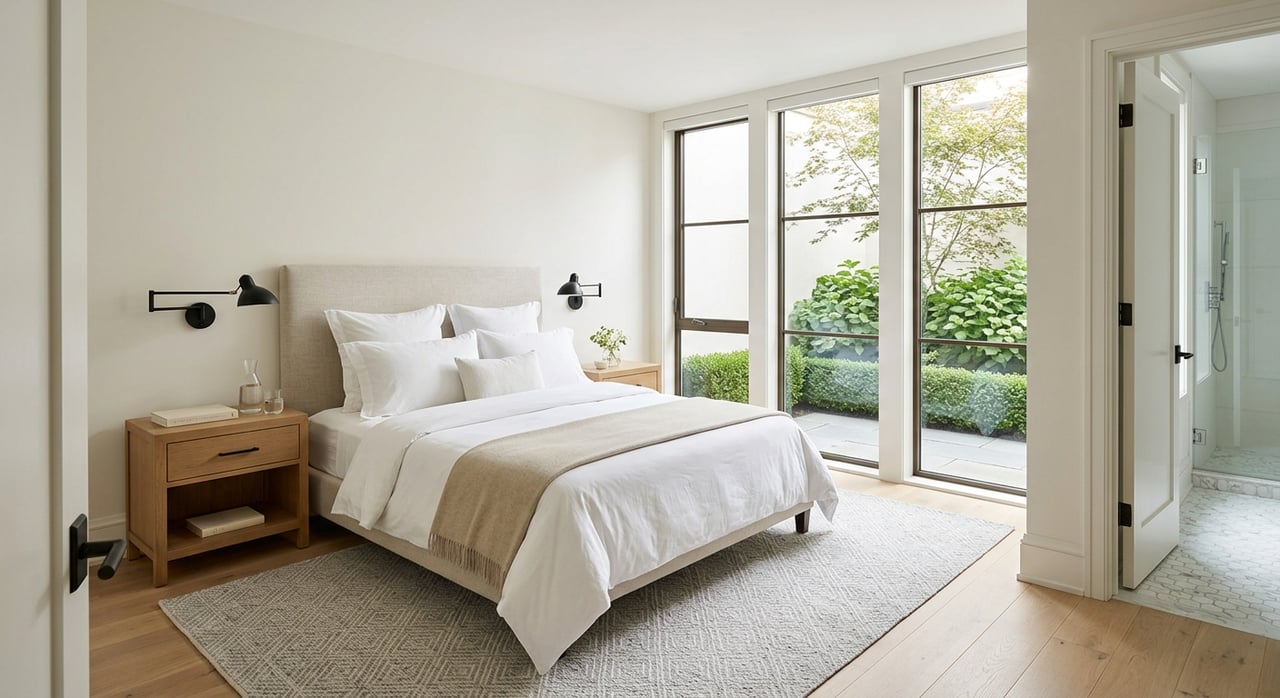
- Condos are more common in newer, mid-rise developments with modern finishes.
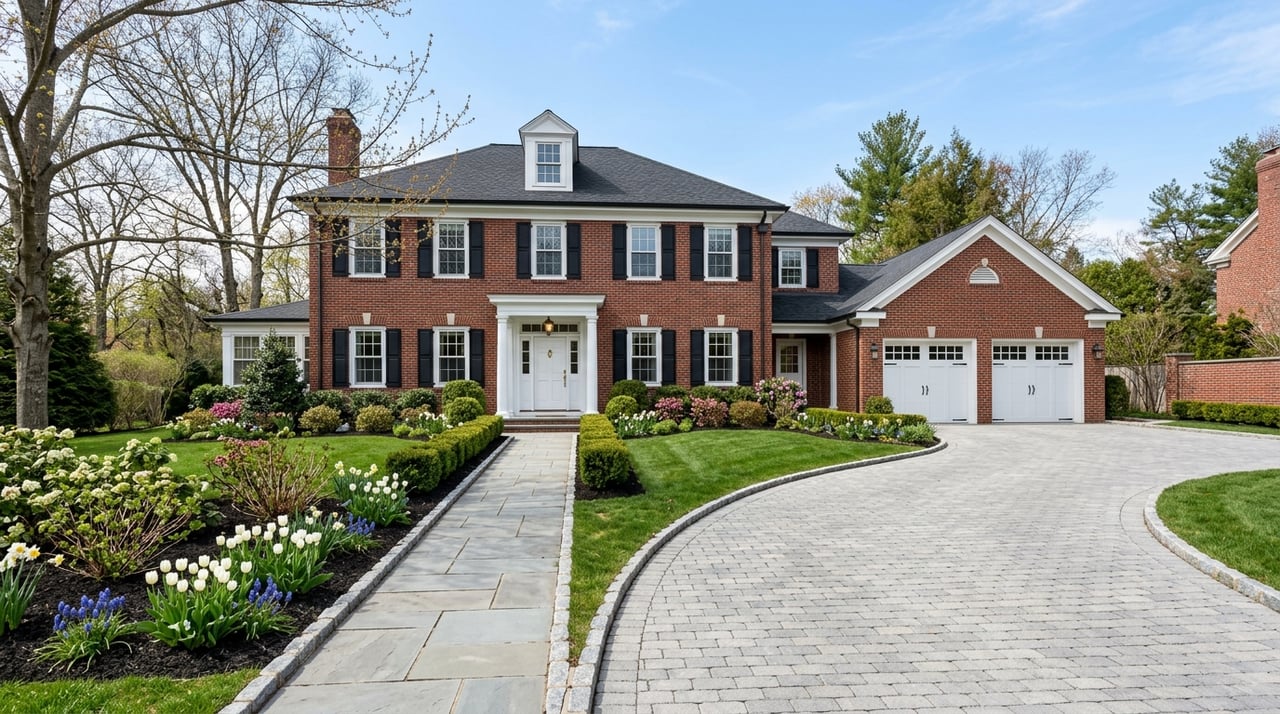
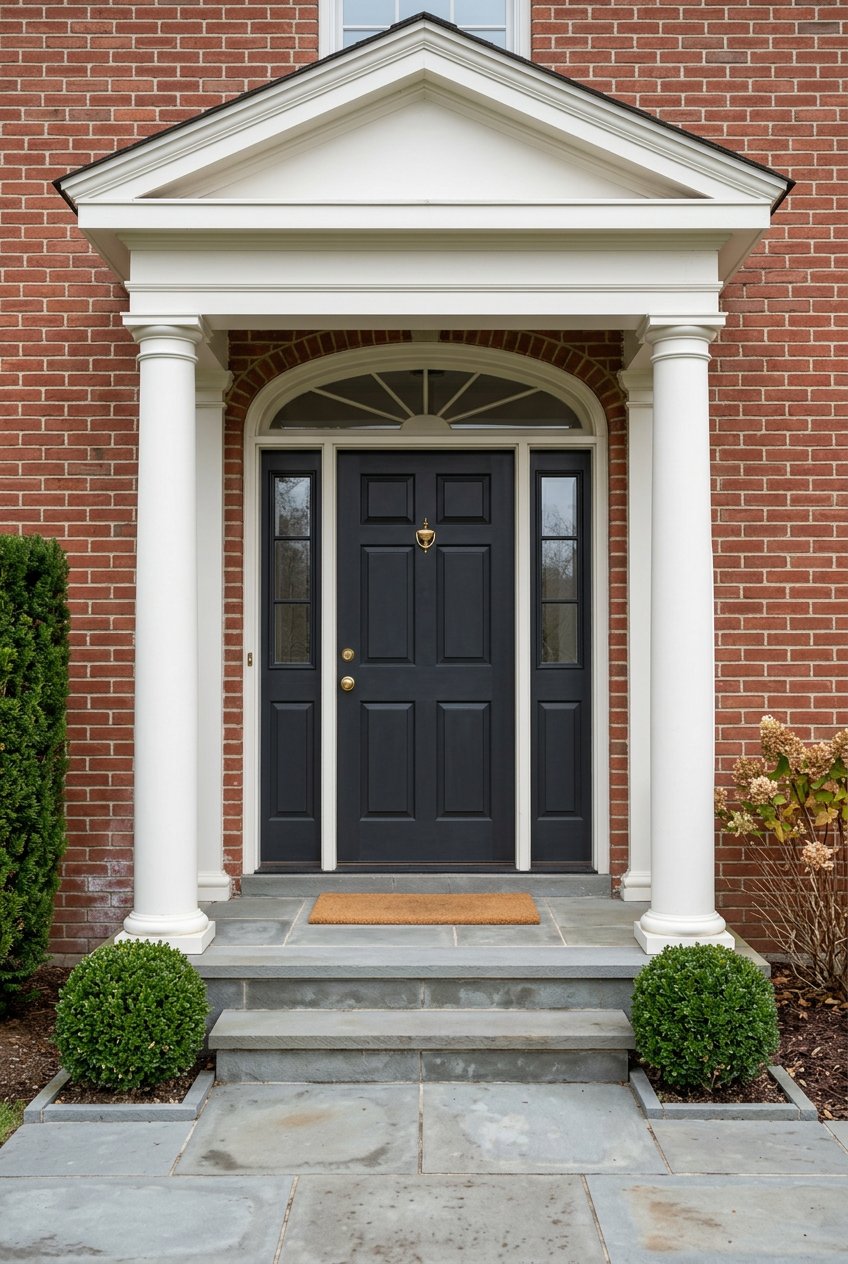
- Single-family homes appear more often toward northern Flushing and nearby neighborhoods, where buyers may want more space and private outdoor areas.
High walkability and transit access drive strong interest in smaller condos and co-op units near Flushing–Main Street. Many buyers also seek larger spaces for multi-generational living, which can point them to bigger co-op layouts or single-family homes.
What you own and who decides
Co-op: Shares and a proprietary lease
You buy shares in a building corporation and receive a proprietary lease for your unit. A co-op board sets house rules, reviews buyers, and often sets financing and subletting policies. There is no deed to your apartment. Your monthly maintenance typically covers building-level costs like property taxes, heat, water, staff, insurance, and reserves. Rules on subletting, renovations, and pets are common.
Condo: Deeded unit plus common areas
You own your unit and an undivided interest in the common elements. A condo board manages operations and bylaws, but purchaser approvals are usually more procedural. You pay your own property tax bill plus common charges that cover operations, amenities, and reserves. Condos tend to be more flexible for subletting and are often favored by investors and international buyers.
House: Fee simple ownership
You own the land and structure. There is no building board. You handle all maintenance, property taxes, insurance, and compliance with local codes or HOA rules if they exist. Owners have more autonomy for renovations, subject to permits.
How approvals and timelines compare
Co-op board approval
Expect a multi-step process: accepted offer, detailed board package, interview, and a board vote. Your package often includes tax returns, pay stubs, bank statements, employment letters, references, and proof of post-closing liquidity. Prep can take 1 to 3 weeks. Board review and scheduling can add 2 to 6 weeks or more. Boards may also limit the percentage you can finance and can decline applications.
Condo board or HOA process
Condo buyer review is typically lighter. You submit an informational packet, and interviews are uncommon. Timelines are often shorter than co-ops, ranging from a few days to a few weeks.
Single-family homes
There is no board. Your timeline depends on standard mortgage underwriting, inspections, and title work. You avoid building-level approvals, which can simplify and speed up closing.
Down payments and financing in Queens
Co-op financing and down payment norms
Lenders offer co-op share loans, but both you and the building must qualify. Many co-ops in Flushing require at least 20 to 25 percent down. Conservative boards may require 30 to 50 percent or more. Strong post-closing liquidity and lower debt-to-income ratios are common expectations.
Condo loan options and flexibility
Condos can work with standard mortgages. Many primary-residence buyers put 10 to 20 percent down, while second-home or investor loans often require 20 percent or more. If using FHA or VA, the condominium project must be approved. Lenders review the building’s financials and owner-occupancy levels.
Houses: Full product range
You can use conventional, FHA, or VA loans where eligible. A 20 percent down payment is common for best rates, and FHA can allow 3.5 percent down subject to loan limits and property condition.
Notes for international buyers
Co-ops often prefer U.S. tax returns and established credit, which can complicate approval. Boards may require higher down payments and more liquidity. Condos and houses are generally more accessible if you do not have a U.S. credit history. Expect larger down payments and review lender programs that work with foreign nationals. Organized documentation, including translated income statements and bank references, helps the process.
Monthly costs and NYC property taxes
What monthly costs include
- Co-op: Monthly maintenance often bundles building mortgage (if any), building-wide property taxes, insurance, staff, heat, water, and reserves. This can simplify budgeting.
- Condo: You pay two bills. Common charges cover operations and amenities, and you receive a separate property tax bill. Amenities like gyms and doormen can raise HOA fees.
- House: You pay your full property tax bill, homeowner’s insurance, utilities, and all maintenance. There is no common charge, but large repairs are your responsibility.
NYC property tax classes
In New York City, most 1 to 3 family houses are Class 1. Most co-ops and condos are Class 2. The effective tax structure differs, and single-family homes often have a lower effective rate per assessed value than condos and co-ops. New developments may offer temporary tax abatements that reduce early-year taxes, which can increase after the abatement ends.
Resale, renting, and flexibility
Co-op
Co-ops can be great for long-term owner-occupiers who want a stable community. The buyer pool is smaller because of board approval and subletting limits. Some buildings have flip taxes or transfer-related fees. Co-op resale timelines can be longer due to board processes.
Condo
Condos typically have the broadest buyer pool, including investors and international buyers. That wider demand can support faster resales. Policies vary by building, but many condos allow rentals subject to building rules.
House
Houses attract buyers who want more space and autonomy. Resale depends on lot size, location, and condition. Owners decide rental terms subject to local laws. Short-term rentals are regulated in New York City, so always verify before listing any property for short stays.
Which one fits your priorities?
- You want fewer approval hurdles and broader resale potential: Consider a condo or a house.
- You want bundled services and potentially a lower price per square foot: A co-op can work if you meet board and financing standards.
- You want flexibility to rent: Condos and houses are usually more rental-friendly than co-ops, but review building or local rules.
- You need outdoor space or multi-generational living: A single-family home often fits best.
- You are payment-sensitive: Compare a co-op’s all-in maintenance with a condo’s common charges plus taxes and a house’s taxes, utilities, and maintenance.
Quick checklist before you write an offer in Flushing
- Confirm the property type: co-op, condo, or fee simple house.
- Co-op due diligence: sublet policy, board interview timeline, percent financed limits, required post-closing liquidity, underlying mortgage, reserves, recent board minutes, and any assessments.
- Condo due diligence: review financials, reserves, owner-occupancy percentage, and any pending assessments; verify eligibility if planning FHA/VA.
- House due diligence: full home inspection, property tax class, potential abatements, and permit history.
- Financing prep: compare down payment rules by property type; for international buyers, confirm lender programs and documentation needs in advance.
Final thoughts and local help
Each path in Flushing has tradeoffs. Co-ops can deliver value and stability but require the most scrutiny. Condos balance flexibility and ownership clarity. Houses offer autonomy and space. The right choice depends on your budget, timeline, and how you want to live.
If you want a clear plan for Flushing and nearby neighborhoods, work with a local expert who knows building rules, financing nuances, and street-by-street demand. For bilingual guidance and concierge-level support, connect with Amy Liu for a tailored strategy.
FAQs
What is the main difference between a co-op and a condo in Flushing?
- In a co-op, you buy shares and receive a proprietary lease. In a condo, you hold a deed to your unit and an interest in common areas.
How long does co-op board approval take in Queens?
- Preparing the board package can take 1 to 3 weeks. Board review and scheduling can add 2 to 6 weeks or more.
What down payment should I expect for a co-op vs condo?
- Many co-ops require 20 to 25 percent down, and some ask for 30 to 50 percent. Many condos allow 10 to 20 percent for primary residences.
Are single-family homes cheaper to carry monthly than condos?
- Not always. Houses avoid HOA fees but have full property taxes, insurance, utilities, and repairs. Condos have common charges plus a separate tax bill.
Which property type usually resells faster in Flushing?
- Condos and houses often sell faster due to broader buyer pools and fewer board hurdles compared with co-ops.
What should international buyers consider first in Flushing?
- If you lack U.S. credit or tax returns, condos and houses are generally more accessible. Expect larger down payments and prepare translated financials and bank reference letters.