Thinking about selling your Little Neck home but unsure what today’s market would pay for it? You’re not alone. With shifting interest rates and limited inventory, pricing feels high stakes. The good news is you can get to a confident number by looking closely at hyper-local data, your home’s presentation, and real-time buyer signals. In this guide, you’ll see how a neighborhood-focused process translates into a smart list price and a faster, smoother sale. Let’s dive in.
What drives value in Little Neck
Little Neck has a suburban feel with mostly single-family detached homes on larger lots than many Queens neighborhoods. Buyers here tend to prioritize yard space, parking, functional basements, and practical layouts for everyday living. That buyer profile influences which features command premiums.
Commuting access matters. Proximity to the Little Neck LIRR station, the Cross Island Parkway, and Northern Boulevard can boost demand for buyers traveling to Manhattan or western Queens. Nearby parks and waterfront areas like Little Neck Bay and the Udalls Cove marshlands also add lifestyle appeal, which can support stronger pricing when paired with the right home features.
Lot size and zoning patterns influence value. Larger parcels and properties aligned with single-family zoning typically earn premiums compared to small-lot or non-conforming setups. Seasonality plays a role too. Spring is usually the busiest listing period, while winter can run slower. Broader factors such as mortgage rates, inventory levels, and commuting trends can shift buyer affordability and urgency.
How a micro-comp valuation works
Micro-comp analysis focuses on the most relevant nearby listings and sales so your price reflects Little Neck’s current reality, not broad citywide averages. Here’s the process an expert uses.
Define your home’s profile
Start by documenting the essentials. That includes lot area, effective living area, bed and bath count, garage or off-street parking, basement type and finish, year built, and any recent, permitted renovations. Note major systems like roof, HVAC, and windows, plus outdoor features such as patios, decks, or significant landscaping.
Gather the right comps
Pull sold listings from the last 6 to 12 months, prioritizing 3 to 6 that match your home’s property type, lot size, square footage, bed and bath counts, and condition. Add pendings to show current buyer appetite and active listings to see your competition. Review withdrawn listings and price reductions to learn where buyers hesitated.
Filter and adjust with local nuance
Weight key factors in order: property type and lot size, effective square footage and usable rooms, renovation level and overall condition, parking and outdoor space, and block-specific context like proximity to noise or transit. Adjust for meaningful differences, such as an extra full bath, a finished basement, or a renovated kitchen. Use price per square foot as a checkpoint, but always account for lot size and functional features that can change the story.
Reconcile a tight price range
With adjustments in place, narrow to a low-to-high range that reflects your home’s market position. Then pick a pricing path based on your goals and current demand. The choice might be to price aggressively to capture attention, list right at market with strong staging, or list slightly under market to spark multiple offers. Your path should connect to what similar Little Neck homes are experiencing right now.
Validate with market signals
Cross-check your strategy with days on market, list-to-sale price ratios, and showing activity on comparable properties. If similar homes are selling quickly after competitive showings, you can lean into a sharper price or polished presentation to ride that momentum.
Common pitfalls to avoid
- Using comps from distant Queens neighborhoods that undervalue Little Neck’s lot size premiums.
- Ignoring unpermitted work or not confirming permits. Unpermitted renovations may not add expected value.
- Over-relying on per-square-foot averages without adjusting for lot size and functional differences.
Staging and presentation that pay off
In Little Neck, many buyers compare homes by yard utility, storage, and move-in readiness. Presentation helps buyers picture daily life and reduces perceived projects. A focused plan can lift your final price and cut time on market.
High-impact, lower-cost prep
- Pre-list prep: deep clean, declutter, depersonalize, fix minor items, and add fresh neutral paint in key rooms. Include professional photos and a virtual tour.
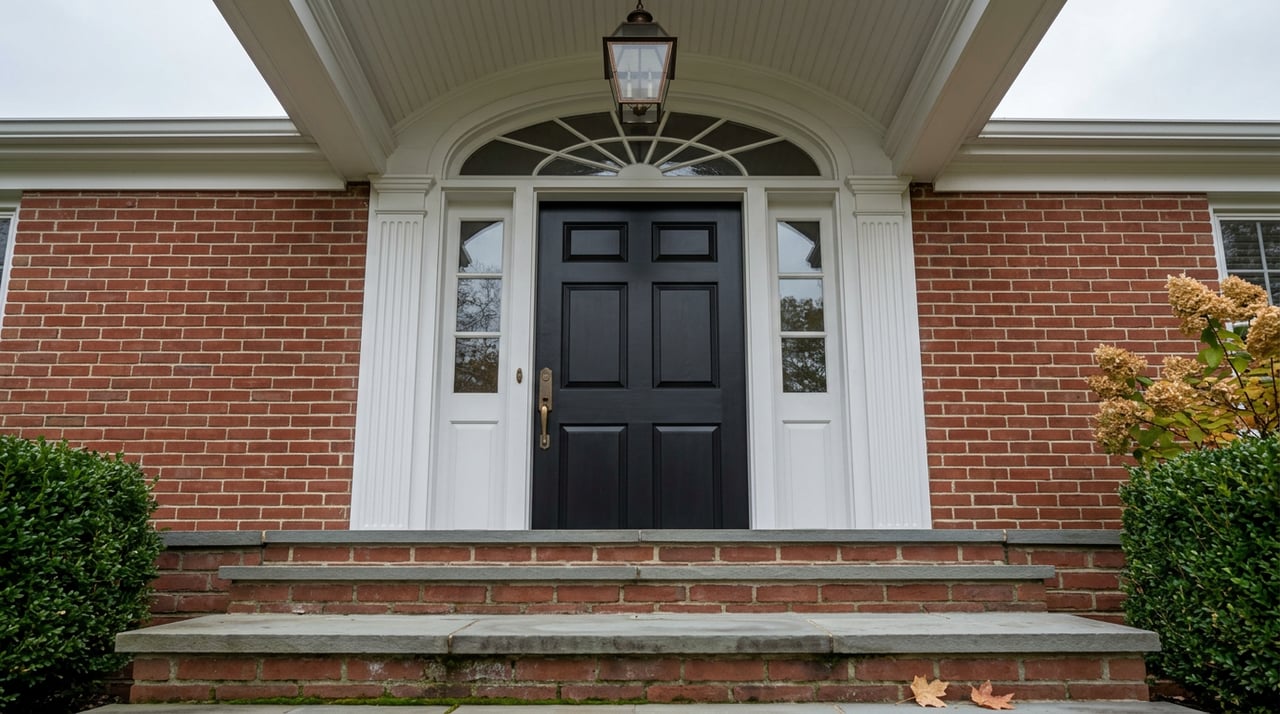
- Curb appeal: tidy landscaping, power wash the driveway, refresh house numbers, and paint the front door for a friendly first impression.
Typical ranges: pre-list prep and photos often run about $500 to $2,000, and cosmetic fixes like paint or landscaping can range from $1,000 to $10,000 depending on scope.
Interior staging and selective updates
- Staging: rent furniture for the living room, dining room, and primary bedroom. Add lighting, art, and accessories to emphasize flow and function.
- Targeted updates: reface cabinets or update hardware in the kitchen, refresh bathrooms, and replace worn flooring where it distracts buyers.
Common staging investments run about $1,200 to $6,000 for a single-family home, depending on size and term. Larger renovations can make sense if they materially change marketability, but they are more selective for time-bound sales.
What to highlight for Little Neck buyers
- Outdoor living: show seating areas, grilling zones, and play or garden space.
- Storage and basements: demonstrate flexible uses like office, gym, or media space.
- Parking and curb appeal: present a clean driveway and organized garage.
Industry context consistently shows that well-presented homes tend to sell faster and with fewer price reductions than poorly presented ones. The uplift varies by price point and competition, but in head-to-head comparisons, strong presentation often wins.
Read buyer demand in real time
Pricing is not one-and-done. Watch real-time signals during your listing period and adjust as needed.
- Showings per week: strong activity suggests your price and presentation are aligned. Low showings may signal a pricing miss or the need for staging tweaks.
- Days on market and time to contract: short timelines and competitive bidding signal tighter demand.
- List-to-sale price ratio: if similar homes sell at or above list, your strategy can lean confident. If they sell below list, consider tightening your price.
- Price reductions and cancellations: more reductions at your price point suggest softening demand.
- Pending-to-active ratio: more pendings than actives indicates stronger buyer appetite.
- Buyer feedback: direct comments from showings and open houses can reveal misalignments in condition or price.
Price bands and thresholds
Demand often clusters in price bands. In Little Neck, crossing psychological thresholds, such as moving from the mid-900s into seven figures, can change the buyer pool. Analyze where your home sits relative to these bands and how competing inventory is distributed.
Macro signals to watch
Mortgage rates and lending conditions affect affordability. Local employment and commuting trends shape buyer confidence. The arrival of newly renovated listings can shift attention and set a higher bar for condition at a given price.
Interpreting mixed signals
- High showings but few offers: buyers see value but may want more finish level or a slightly lower price. Consider targeted staging or a modest reduction.
- Low showings while similar homes get traffic: revisit your list price or marketing exposure.
Your free valuation and staging consult
A detailed, local process turns uncertainty into a plan. Here is what a thorough consult includes and what you should expect.
What you provide upfront
- Property basics: address, lot size, finished square footage, beds and baths, year built.
- Renovations and permits: dates, scope, and status.
- Systems: roof, HVAC, windows, and any major updates.
- Recent tax and insurance info plus known easements or restrictions.
- Photos of interior and exterior if available.
- Your timeline, move plans, and target net proceeds.
What you receive in return
- Local market snapshot with photos: sold, pending, and active comps with distances.
- A recommended list price and 2 to 3 pricing paths with clear rationale.
- A prioritized staging and prep plan with estimated costs and expected impact.
- A marketing plan summary: professional photography, open house timing, and online distribution.
- A timeline: expected days on market in current conditions and closing estimate.
- Clear assumptions and next steps so you can decide with confidence.
Sample consult-to-list timeline
- Day 0 to 3: gather your property info and review photos.
- Day 4 to 7: onsite visit for a walk-through and staging estimate if desired.
- Day 7 to 10: deliver the full valuation and staging plan, select your pricing path, and sign listing documents.
- Next 7 to 21 days: complete prep and photography, then go live.
Pricing paths explained
- Slightly under market: positions your home to attract multiple buyers quickly. Works well in low-inventory pockets with strong showing data.
- At market with strong presentation: balances wide exposure and solid value. Ideal when comps are tight and demand is steady.
- Aggressive at the high end: aims for a premium. Best when your home has scarce features like larger lots, renovated interiors, or unique outdoor amenities. Monitor showings closely to pivot if needed.
Overpricing can lead to fewer showings and eventual reductions, which may net less. Listing too low without a plan may leave money on the table. The right path depends on current comps, buyer traffic, and your timing goals.
Schools, zoning, and permits
School quality and boundaries influence buyer interest in Little Neck. Keep references neutral and verify district information during your evaluation. Zoning and lot conformity can affect pricing, especially for single-family homes on larger parcels. Always confirm permits for renovations. Unpermitted work can limit appraisals and marketability.
Important notes
Market conditions change quickly. Valuations are time-sensitive and should be refreshed if rates, inventory, or nearby sales shift. Analyses based on public and MLS data are estimates. Only an accepted offer confirms market value. Unknown defects, title issues, or unpermitted work can materially affect your sale.
Ready to learn your number?
If you want a precise Little Neck valuation backed by micro-comps, a design-forward staging plan, and real-time market reads, you are in the right place. Get a boutique, high-touch experience with clear pricing paths and a timeline that fits your move. Reach out to Amy Liu to get your free home valuation and staging consultation.
FAQs
How is Little Neck different from other Queens neighborhoods for valuation?
- Little Neck’s larger lots, single-family focus, and commuter access often change comp selection and adjustments compared with denser neighborhoods, so micro-comps must be very local.
How close should comps be to my Little Neck home?
- Aim for a tight radius, often 0.25 to 1 mile, and prioritize the same property type, lot size, square footage, bed and bath counts, and condition within the last 6 to 12 months.
Do unpermitted renovations affect my value?
- Yes. Unpermitted work may not carry full value, can complicate appraisals, and may limit buyer confidence, so confirm permit status before pricing.
Which pre-sale updates usually pay back in Little Neck?
- High-impact basics like deep cleaning, decluttering, neutral paint, minor repairs, curb appeal, and targeted kitchen or bath refreshes tend to influence offers and time on market.
What does a pricing path mean and how do I choose?
- A pricing path is your strategy for listing at, below, or above market; choose based on current comps, buyer traffic, your timeline, and how your home stacks up in presentation.
How do price thresholds affect demand in Little Neck?
- Demand often clusters by bands, and moving from the mid-900s into seven figures can change the buyer pool, so consider thresholds when setting price.
What real-time signals should I watch after listing?
- Track showings per week, days on market, list-to-sale price ratios, price reductions, the pending-to-active ratio, and feedback from buyers to guide adjustments.
What is the typical timeline from consult to closing?
- A common path is 1 to 3 weeks for consult, prep, and photos, followed by time on market that reflects current conditions, then standard closing timelines after contract.