Thinking about updating your Little Neck home before you sell? It is easy to assume that bigger renovations mean bigger returns, but that is not always how this market works. In a neighborhood known for one-family homes and a suburban feel, buyers often respond most strongly to homes that feel clean, bright, well-kept, and easy to move into. The good news is that you may not need a full remodel to make a strong impression. Let’s dive in.
Why smart upgrades matter in Little Neck
Little Neck has a broad but still defined resale range. According to NYC Finance's 2025 annualized sales file, visible one-family sales in Little Neck ranged from about $750,000 to $2.2 million.
That range creates an important strategy for sellers. Your goal is usually to match or slightly outperform nearby comparable homes, not overspend on custom work that may be hard to recover at closing.
Queens Community Board 11 describes Little Neck as a neighborhood of one-family homes with a very suburban setting. It also notes a mix of smaller homes north of Northern Boulevard and larger homes in Little Neck Hills to the south, which means presentation, upkeep, and curb appeal can shape buyer perception right away.
Start with the highest-impact basics
Before you price out a new kitchen or major bathroom work, focus on the updates buyers notice first. The safest pre-sale spending order is usually cleaning and decluttering, then paint, then curb appeal, then floors or the front entry if needed.
That order tracks closely with what agents recommend most often. In NAR's 2025 staging report, decluttering, whole-home cleaning, and curb appeal improvements ranked among the most common seller recommendations.
Declutter and deep clean first
This step is not glamorous, but it is one of the most effective. A clean, edited home feels larger, brighter, and better maintained, which helps buyers focus on the space itself instead of your belongings.
Pay special attention to countertops, closets, windows, bathrooms, and garage or storage areas. In a single-family home, buyers often notice how well the property seems to function day to day.
Use fresh paint to create a clean slate
Fresh paint is one of the best pre-listing moves for many Little Neck sellers. In NAR's 2025 remodeling report, painting the entire home was the top pre-list recommendation for 50% of Realtors, while painting a single interior room was recommended by 41%.
If your walls show wear, dated colors, or uneven touch-ups, paint can quickly improve the overall feel of the home. It also helps photography look cleaner and brighter, which matters when buyers first encounter your listing online.
Improve curb appeal before buyers walk in
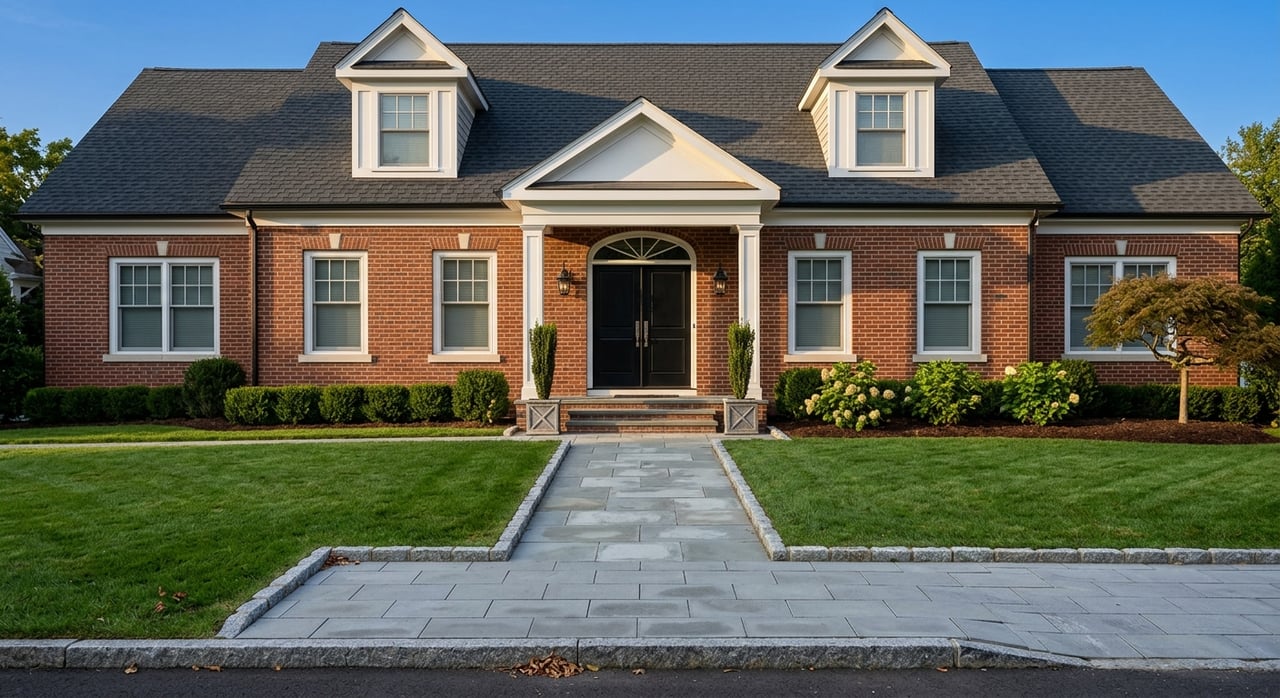
First impressions matter in a neighborhood of detached homes. Buyers often form an opinion before they ever step through the front door.
Prioritize simple exterior improvements such as:
- landscape maintenance
- general yard cleanup
- tree care
- a tidy front path and entry
- touch-ups to visible trim or worn exterior details
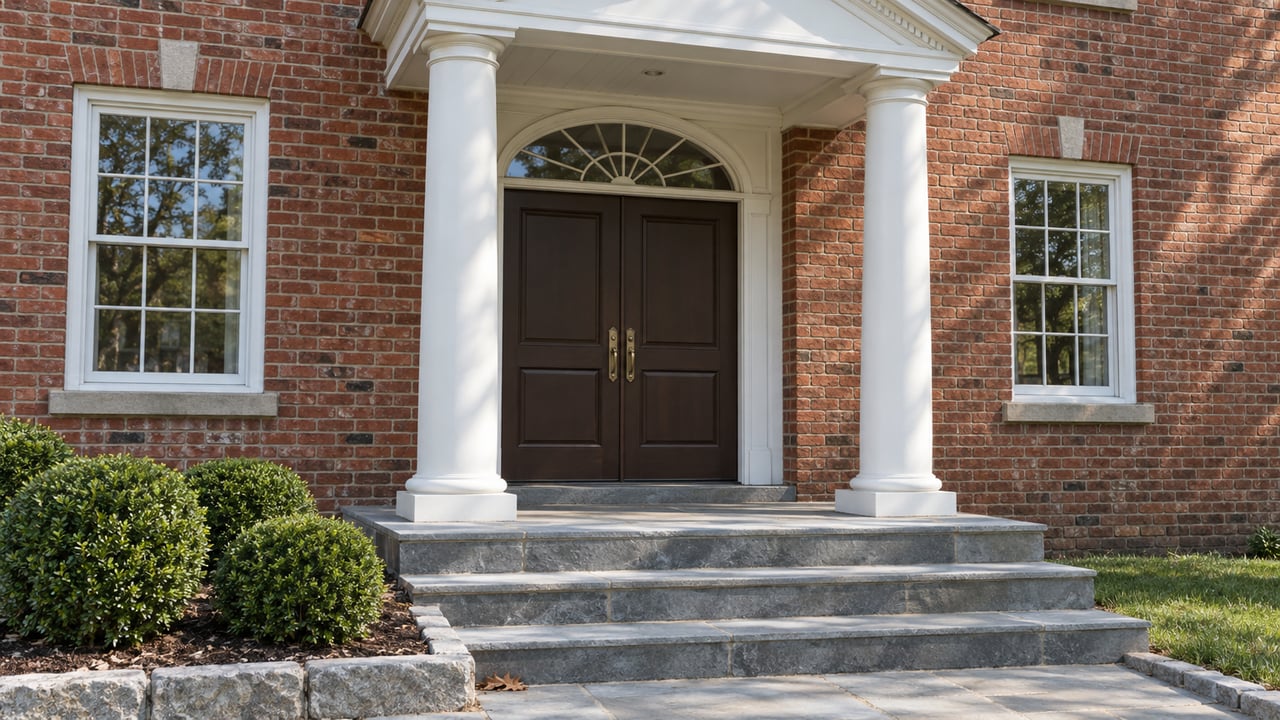
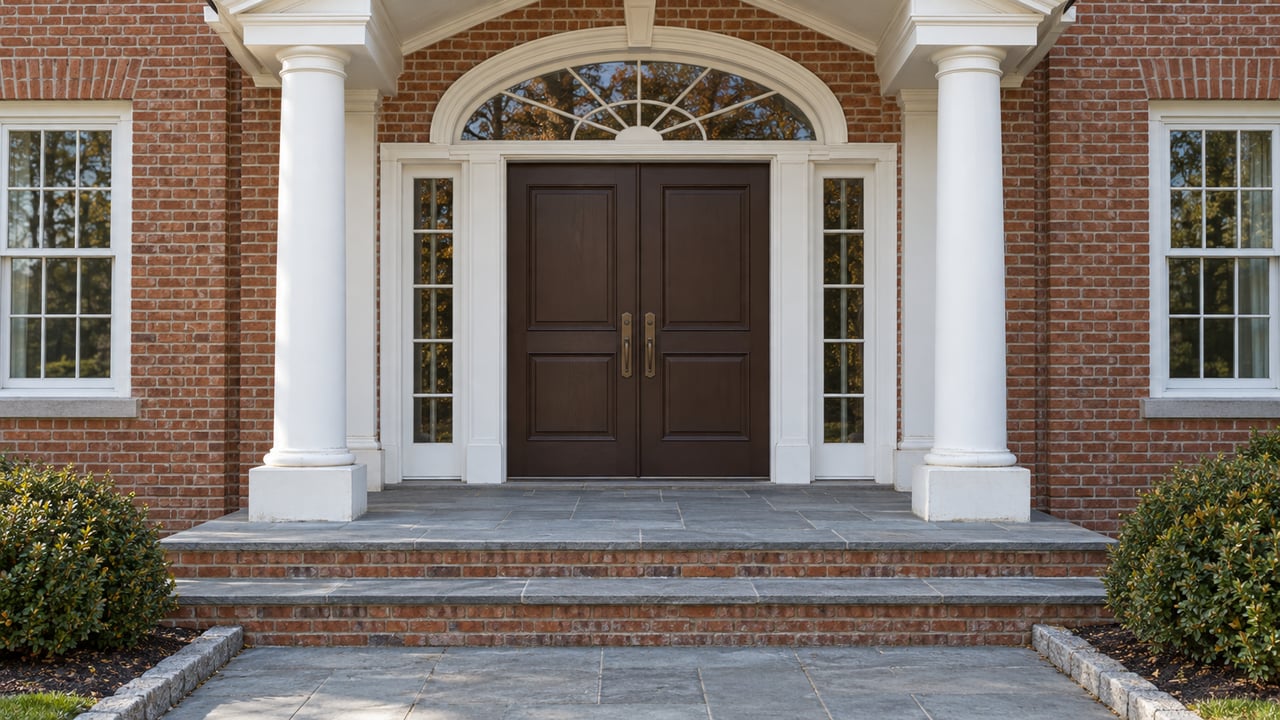
NAR's outdoor-features report estimated cost recovery at 104% for landscape maintenance, 100% for an overall landscape upgrade, and 87% for tree care. For an entry refresh, a new steel front door showed 100% recovery, while a new fiberglass front door showed 80% recovery.
Refresh, do not over-renovate
In Little Neck, the smartest pre-sale upgrades are often cosmetic rather than structural. Because the neighborhood supports meaningful value but still has a finite resale ceiling, it is wise to be selective.
A full kitchen or bath remodel may make sense if that room clearly falls behind competing homes. Otherwise, a lighter refresh is usually the safer resale play.
When kitchens need a light refresh
If your kitchen is functional but dated, focus on visible improvements instead of a full gut renovation. Buyers tend to respond well to spaces that feel bright, clean, and move-in ready.
A light kitchen refresh may include:
- painting walls
- replacing worn hardware
- updating lighting, if appropriate and properly handled
- resurfacing or polishing floors
- replacing cabinet fronts or installing new cabinets where needed
- clearing counters and simplifying decor
The key is to improve the look and feel without pushing the home beyond what nearby comparables support.
When bathrooms need attention
Bathrooms can influence buyer confidence quickly. If a bath feels tired, stained, or poorly maintained, it can make the whole house feel like more work.
That does not always mean you need a full renovation. Cosmetic fixes like fresh paint, updated fixtures, better lighting, regrouting, and a cleaner, simpler look can often go a long way.
Do not overlook closet and storage updates
Storage matters in family-sized homes. If closets are cluttered, overfilled, or awkwardly configured, buyers may assume the home lacks enough space.
That is one reason closet renovation stood out in NAR's 2025 report, with 83% value recovered. Even a modest storage refresh can help your home feel more functional and better organized.
Floors and entry details can pay off
If your hardwood floors are scratched, dull, or inconsistent from room to room, refinishing may be worth considering. NAR cites about $3,400 in upfront cost and about $5,000 in resale recovery for hardwood floor refinishing, or 147% value recovered.
That is especially relevant in older one-family homes where original wood floors may already be a selling feature. Clean, even floors help the whole interior feel more polished.
Your front entry also deserves attention. In suburban neighborhoods like Little Neck, buyers usually see the façade, front path, and door up close before anything else. A simple entry refresh can improve both curb appeal and buyer confidence.
Stage the rooms buyers care about most
Staging works best when it is strategic. You do not need to stage every room equally to make an impact.
According to NAR, buyers' agents said the most important rooms to stage are the living room, primary bedroom, and kitchen. On the seller side, the living room, primary bedroom, dining room, and kitchen were the rooms most commonly staged.
Focus on the main path through the home
For Little Neck homes, start with the spaces buyers experience first and remember most. That often means the entry, living room or family room, kitchen, and primary bedroom.
These areas shape a buyer's sense of how the home lives. If these rooms feel calm, open, and cohesive, the rest of the property often shows better too.
Why staging can be worth it
Staging is often more affordable than renovation and can still have a meaningful effect. NAR reported a median cost of $1,500 for a staging service, or $500 when the seller's agent handled staging.
The same report found that 29% of agents said staging led to a 1% to 10% increase in the dollar value offered, and 49% of sellers' agents said staging reduced time on market. For many sellers, that makes staging one of the most practical pre-sale investments available.
Presentation goes beyond furniture
Good staging is only part of the picture. NAR also found that photos, physical staging, videos, and virtual tours were highly important to buyers' agents.
That is why pre-sale preparation should be tied to your full marketing plan. A clean, staged, well-photographed home tends to create stronger early interest and a better first impression online.
Know which projects may need permits
Many common cosmetic upgrades in New York City do not require a DOB permit. NYC Buildings notes that painting, plastering, installing new cabinets, replacing plumbing fixtures, resurfacing floors, and non-structural roof repair typically do not need a permit.
That can make cosmetic pre-sale work faster and easier to plan. It also supports the case for starting with visible, lower-risk improvements first.
When to slow down and check requirements
Some larger projects are different. NYC DOB notes that most electrical work requires an electrical permit and a licensed electrical contractor, while plumbing alterations involving piping generally require a Licensed Master Plumber and DOB permits.
Even when a project does not require a permit, it still has to comply with city rules and contractor licensing requirements. If you are considering anything beyond straightforward cosmetic work, it is smart to confirm the scope before you begin.
A simple Little Neck upgrade plan
If you want a practical roadmap, start here:
- Declutter every room and storage area.
- Deep clean the entire home.
- Repaint tired or dated interiors.
- Tidy landscaping and improve the front approach.
- Refinish worn hardwood floors if needed.
- Refresh the kitchen or bathrooms only where they lag behind nearby comps.
- Stage the living room, primary bedroom, and kitchen first.
- Coordinate photography and marketing once the home shows at its best.
This approach helps you invest where buyers are most likely to notice the difference. It also keeps your budget aligned with the realities of the Little Neck market.
If you are not sure where to spend and where to save, that is where local guidance matters most. A neighborhood-specific strategy can help you avoid over-improving, focus on the right details, and present your home for the strongest possible response.
Ready to make smart pre-sale decisions for your Little Neck home? Amy Liu offers a free home valuation & staging consultation to help you prioritize the upgrades most likely to support your sale.
FAQs
Which rooms should sellers stage first in a Little Neck home?
- Start with the living room, primary bedroom, and kitchen, since these are the rooms buyers and agents most often identify as the most important to stage.
What is the safest pre-sale spending order for Little Neck sellers?
- Begin with decluttering and deep cleaning, then fresh paint, then curb appeal improvements, and then floors or the front entry if they need attention.
Should you remodel the kitchen before selling a Little Neck house?
- Usually, a light refresh is the safer choice unless the kitchen clearly falls behind nearby comparable homes.
Do cosmetic upgrades in Little Neck usually need NYC permits?
- Many cosmetic projects like painting, plastering, new cabinets, fixture replacement, and floor resurfacing usually do not require a DOB permit, but electrical and plumbing changes often do.
Is staging worth it when selling a Little Neck home?
- Often yes, especially if your goal is stronger buyer perception and less time on market, since NAR's 2025 survey found staging was linked to faster sales and, in some cases, higher offers.