Want more space without leaving New York City? Little Neck gives you that suburban feel many buyers crave, with tree-lined streets, yards, and a calmer pace. If you want easy access to work, strong community ties, and room to grow, this corner of northeastern Queens may fit your life. In this guide, you’ll learn what daily life looks like here, from homes and commutes to parks, schools, safety, and smart buyer tips. Let’s dive in.
Little Neck at a glance
Little Neck sits at the city’s edge along the Nassau County border. You’ll see detached homes, wider lots, and quieter interior blocks compared to central Queens. Near the Long Island Rail Road stations and commercial corridors, you get more walkability for errands and coffee runs. Inside the neighborhood, it feels peaceful and residential.
Here is a quick snapshot:
- Predominantly detached single-family homes with driveways and garages.
- Local shops and small businesses along main strips; bigger retail just a short drive away.
- Active civic life and long-term residents who value stability and neighborhood input.
- Access to major parks, bayfront recreation, and regional trails.
Homes and space
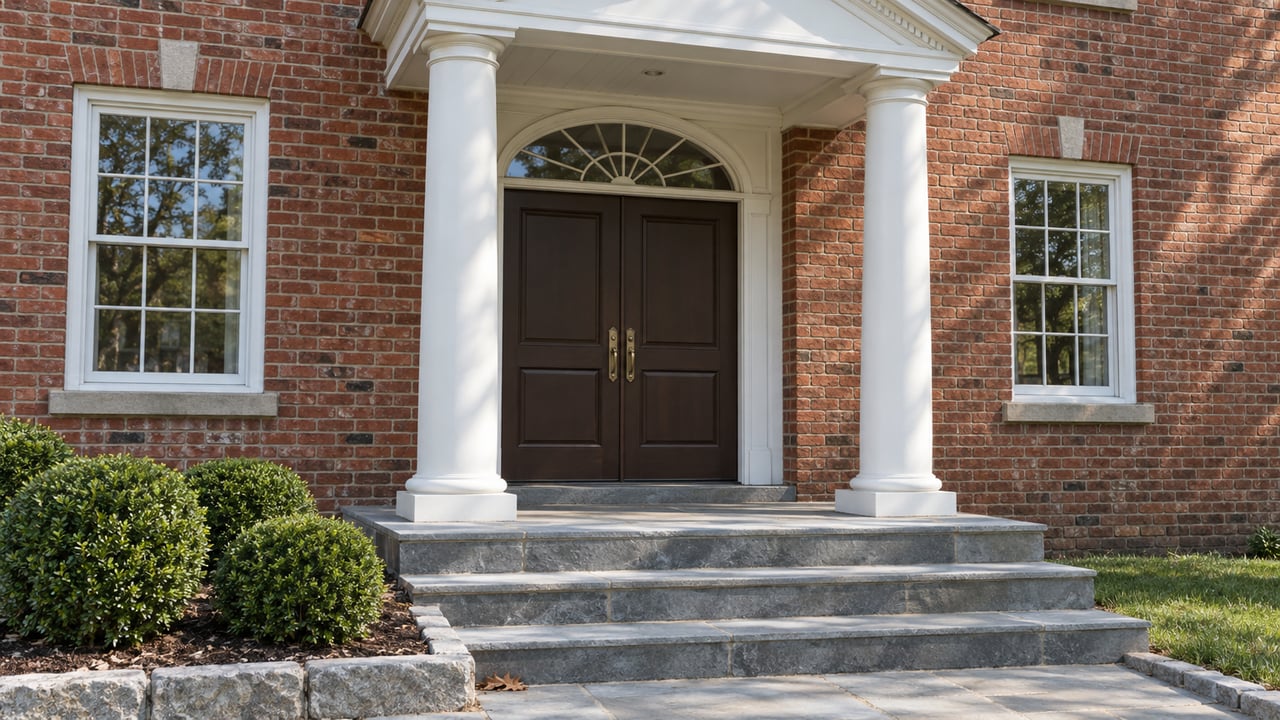
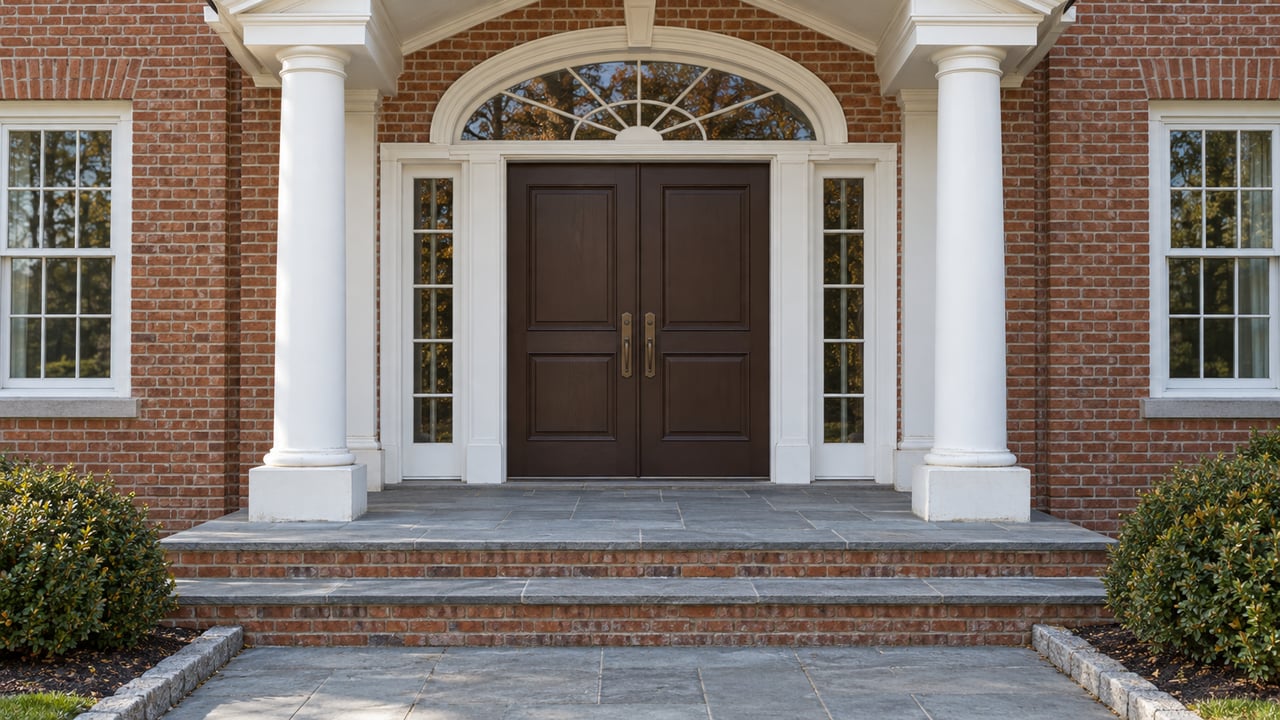
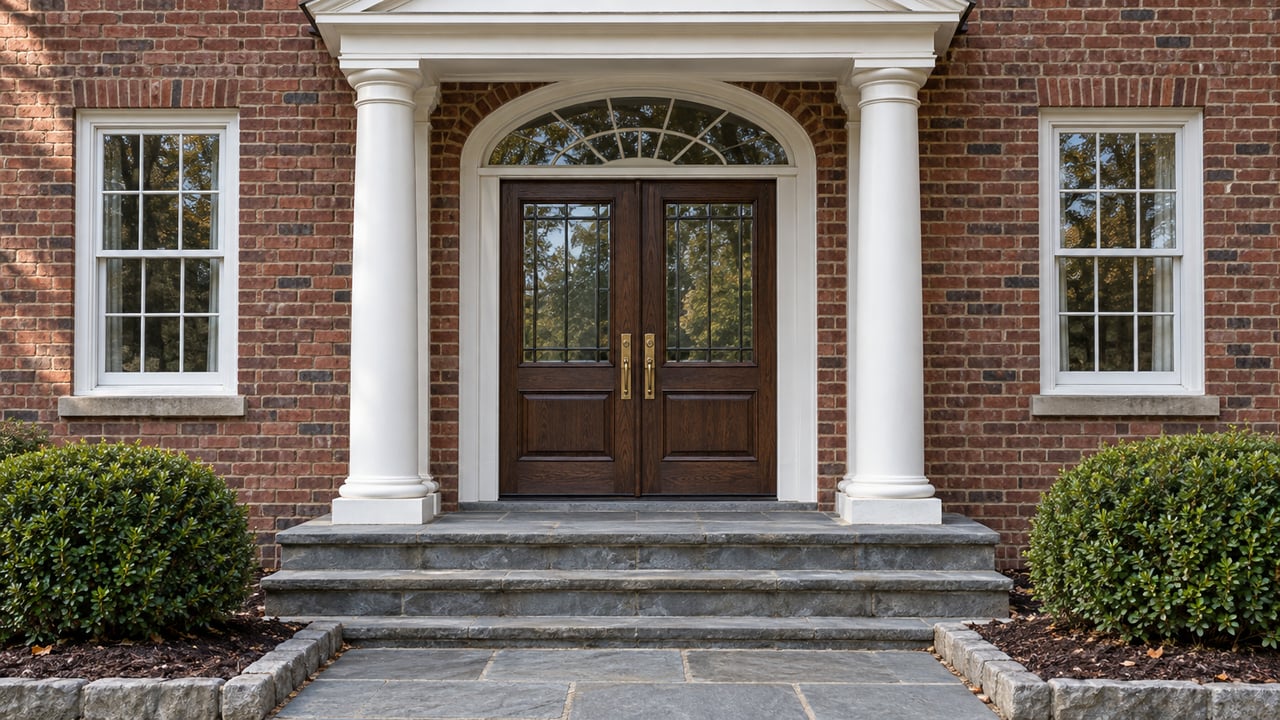
Expect a range of single-family styles: colonials, Tudors, ranches, and split-levels. You will also find some two-family homes and low-rise co-ops or garden apartments along larger corridors. Streets often feature front yards and sidewalks, and many homes have private driveways or garages.
Because owner-occupancy is common, resale inventory can feel tight. Well-priced, renovated single-family homes draw strong interest. You will see seasonal dynamics too, with more listings in spring and early summer. If a move-in ready home is your goal, it helps to be prepared with financing and clear criteria so you can move quickly when the right property appears.
What your budget buys
Little Neck’s single-family homes typically price above the Queens average, while still offering value versus many nearby Nassau County suburbs. The gap depends on block, condition, and proximity to transit. If you are weighing total monthly costs, compare more than list price. Include property taxes, insurance, utilities, and your commute costs.
A smart approach is to run a side-by-side net monthly comparison between two or three homes on your shortlist. Factor in:
- Mortgage principal and interest
- NYC property taxes
- Homeowners insurance
- Utilities and maintenance
- Commuting expenses, such as a rail pass or tolls
For parcel-specific tax questions, you can explore the city’s resources through the NYC Department of Finance property tax tools.
Commute and getting around
You have flexible options here. Many residents use the Long Island Rail Road for a smoother ride to Midtown. Little Neck and nearby Douglaston are on the Port Washington Branch, which runs frequent service. Check the latest timetables on the MTA Long Island Rail Road schedules page.
Local and express buses connect you to Queens transit hubs and Manhattan. Driving is also straightforward with the Cross Island Parkway and Long Island Expressway corridors nearby, though you should expect peak-hour congestion. Parking inside the neighborhood is generally easier than in inner-city Queens, but it varies by block and near stations.
Typical trade-offs you will weigh:
- LIRR: Faster, more comfortable ride; higher fares; may require a walk or short drive to the station.
- Buses: Lower cost; more time in transit; good for non-peak trips and local travel.
- Driving: Flexible door-to-door timing; tolls and traffic add time and cost.
Schools and family services
Public schools here are part of the New York City Department of Education. Assignments are based on your address, and families often review multiple sources for a balanced view. You can explore school options with the NYC DOE School Quality Reports and confirm assignments through the NYC DOE school finder. Private and parochial options exist in the broader northeastern Queens and Nassau areas as well.
Beyond school hours, you will find neighborhood libraries, community programs, and youth sports. The Queens Public Library branch locator is a helpful place to look up story times, homework help, and weekend activities close to your new address.
Parks, waterfront and outdoors
Outdoor access is one of Little Neck’s biggest draws. You are close to large green spaces, waterfront areas, and regional trails for walking, cycling, birding, and casual weekend time. A standout is Alley Pond Park, which offers trails, playgrounds, nature programs, and athletic fields. Smaller parks and playgrounds dot the neighborhood, and you can find public golf courses and marinas in the surrounding area for seasonal recreation.
Daily essentials and dining
Little Neck’s commercial corridors feature grocers, pharmacies, banks, bakeries, casual restaurants, and coffee spots. Many residents do errands locally and drive to nearby Bayside or Great Neck for broader shopping and dining variety. The local dining scene leans family-friendly and casual. For a bigger night out, you can head to downtown Bayside, into central Queens, or into Manhattan.
Safety and peace of mind
Little Neck is widely perceived as quiet and residential. If you want data to compare trends, use the official city tools. The NYPD Crime Map gives you visual, block-level context across categories, and precinct-level trend lines are updated in the CompStat reports. Many buyers consider both statistics and on-the-ground factors like lighting, street activity, and community engagement when deciding on a block.
Practical buyer tips
A few local insights to help you shop with confidence:
- Walkability varies by block. Near stations and commercial strips, you will have more errands on foot. Interior streets are quieter and more car-dependent. Plan test walks from any home you tour to the nearest shops and transit.
- Parking reality check. Many homes include driveways or garages, but street conditions vary near the LIRR and busy corridors. Visit at different times of day to gauge availability.
- Review property taxes and utilities. Use city tools for parcel-specific taxes and ask for recent utility bills to understand seasonal costs.
- Check potential flood or insurance needs. If you are looking near waterfront-adjacent areas, your lender or insurer can advise on coverage.
- Track local planning news. Renovations and replacement of older homes are common. Community board records and city planning documents can signal upcoming projects that affect your street experience.
Resale considerations
Single-family homes in stable, family-oriented pockets often maintain steady demand. Location near the LIRR, well-kept landscaping, and thoughtful updates can boost appeal. Even modest staging and exterior refreshes can make a clear difference in sale speed and outcome. If you are buying now with resale in mind, focus on lot position, block character, curb appeal, and maintenance history.
Is Little Neck right for you?
Choose Little Neck if you want:
- A quieter, suburban-feel neighborhood within the five boroughs
- A detached home with yard space and easier parking
- Reliable transit options with LIRR access
- Strong community roots and nearby parks
You may want to look elsewhere if you need a nightlife-oriented address or want to live above a bustling retail strip. Here, the value is in space, calm streets, and a balanced, family-focused rhythm.
How a local expert helps
In a low-turnover, owner-occupied market, timing and presentation matter. You want precise guidance on pricing, a sharp eye for value, and a plan for design-forward improvements that maximize results. As you compare single-family homes, a local specialist can streamline tours, clarify trade-offs between blocks, and build offers that win without overreaching.
If you are planning to sell, staging, curated photography, and neighborhood-specific positioning will drive attention and price. For buyers, a local advisor can preview listings, advise on school lookup and commute options, and map your must-haves against real inventory.
When you are ready to talk next steps, connect with Amy Liu for trusted, neighborhood-focused guidance. Amy combines a designer’s eye with proven results across Little Neck, Douglaston, Bayside, and the North Shore. Whether you want a valuation with a staging plan or a tailored shortlist of move-in ready homes, you will get boutique service and clear, data-informed advice.
FAQs
Is Little Neck walkable for daily errands?
- Walkability varies by block; areas near LIRR stations and commercial corridors are more walkable, while interior residential streets are quieter and more car-dependent.
What is the Little Neck commute to Manhattan like?
- Many residents take the LIRR on the Port Washington Branch for a faster ride to Midtown; confirm current times on the MTA Long Island Rail Road schedules.
How are public schools assigned in Little Neck?
- Assignments are based on your home address; review the NYC DOE school finder and explore School Quality Reports.
What housing types are most common in Little Neck?
- Detached single-family homes are most common, with some two-family, garden-style, and low-rise buildings along larger corridors.
Is Little Neck considered safe compared to other Queens areas?
- Little Neck is often perceived as quieter; for data, compare trends using the NYPD Crime Map and precinct-level CompStat reports.
Do I need a car to live in Little Neck?
- Many households own a car for errands and station access, while mixing in LIRR and bus service for city commutes depending on schedule and destination.