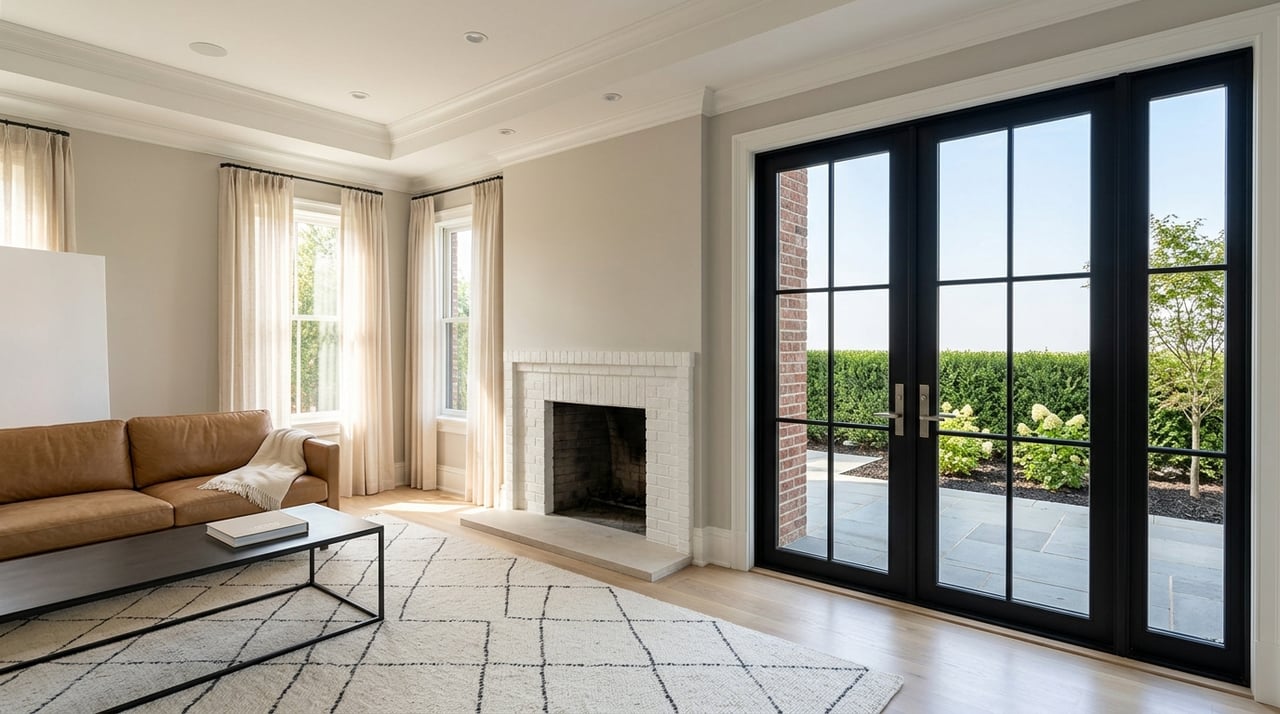
If you have ever wondered why one Douglaston home draws strong interest while another with similar square footage lingers, you are asking the right question. In this part of Queens, home value is rarely about size alone. It is shaped by a mix of lot quality, architectural fit, condition, location, and how the home is brought to market. If you are thinking about selling or simply want a clearer read on your home’s position, this guide will walk you through what really drives value in Douglaston. Let’s dive in.
Douglaston values start with context
Douglaston is not a one-note housing market. Queens Community Board 11 describes the area as a neighborhood of tree-lined streets with single-family homes, a small commercial district near the Douglaston Parkway station, and parkland along Northern Boulevard. Douglas Manor adds a waterfront setting and a more historic housing character.
That variety matters because Douglaston does not trade as a single product type. Some homes sit on quiet residential streets, others are closer to station-area activity, and some are in historic sections with stronger architectural identity. That helps explain why pricing can vary widely from one block to the next.
Current market trackers show that spread clearly. Public estimates range from about $900,000 to over $1.2 million, with Redfin reporting a March 2026 median sale price of $915,000, Realtor.com reporting a $900,000 median sale price with 72 active listings, and Zillow placing average home value at $1.206 million. The big takeaway is simple: micro-location and property type carry real weight in Douglaston.
Lot size and setting matter
In Douglaston, land is a major part of the value story. The city’s Douglaston-Little Neck rezoning was designed to preserve low-density residential character and limit out-of-scale development. Planning documents identify large-lot, detached-home areas, including low-density districts such as R1-1 and R1-2.
Those zoning rules help show why lot dimensions matter so much. In R1-2 areas, new one-family detached homes require at least 5,700 square feet of lot area and 60 feet of width. In R1-1 areas, new detached homes require 9,500 square feet and 100 feet of width.
For homeowners and buyers, that means frontage, yard depth, and how a house sits on the lot are not minor details. They are part of what makes Douglaston desirable in the first place. A home that feels well-positioned on its site, with usable outdoor space and breathing room, often fits the neighborhood better than one that feels tight or overbuilt.
Large lots support premium pricing
Planning documents for the area specifically note the importance of low density, landscaping, and in some sections, water-oriented topography. In Douglas Manor, very large lots and the setting along Little Neck Bay are part of the neighborhood pattern.
That does not mean every large lot automatically commands a premium. It means that in Douglaston, lot quality often helps establish the top and bottom of a home’s value range. Two houses with similar interiors can land in different price brackets if one has stronger frontage, better outdoor usability, or a more attractive setting.
Historic character influences value
Douglaston also has architectural layers that affect pricing. The Douglaston Hill Historic District includes 31 wood-frame homes built between 1890 and 1930. The broader Douglaston Historic District contains more than 600 houses on a peninsula and includes styles such as Colonial Revival, Tudor Revival, English Cottage, Arts and Crafts, and Mediterranean Revival.
In these areas, value is not only about square footage or finish level. Buyers also respond to a home’s architectural presence, how well original features have been maintained, and whether updates feel in scale with the house.
Exterior details can carry extra weight
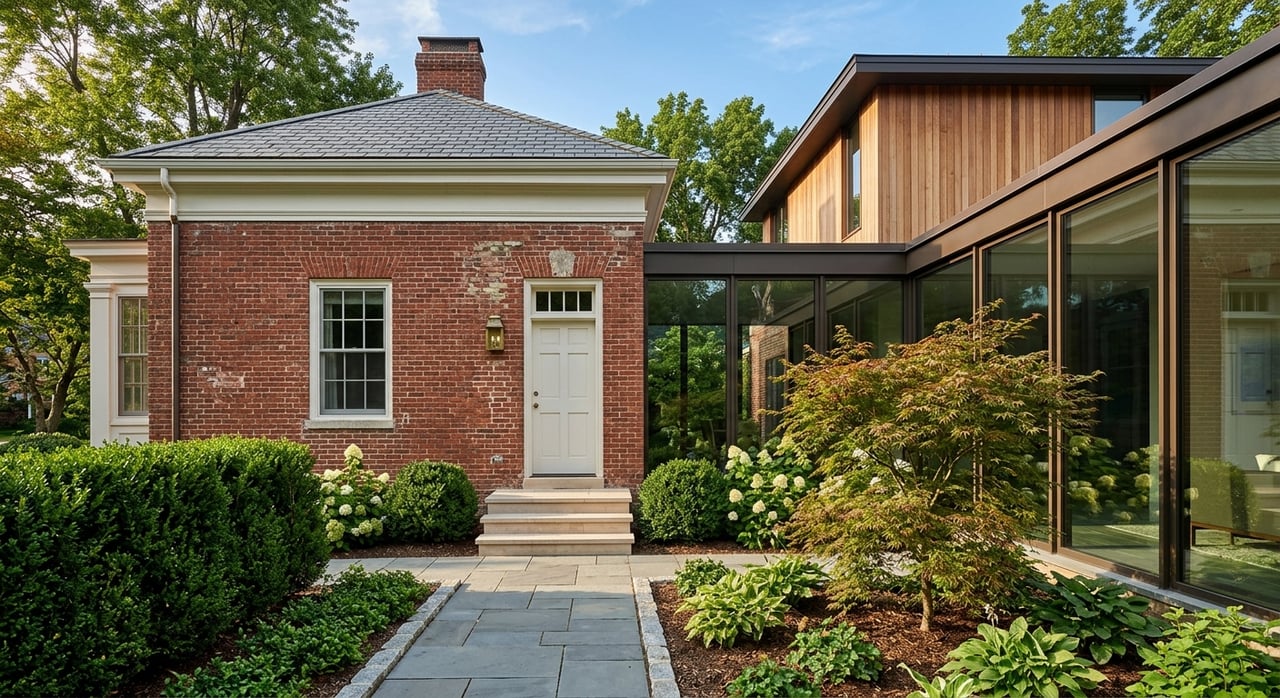
Because these districts are regulated by the Landmarks Preservation Commission, exterior changes can receive close review. That includes additions, windows, porches, and some landscape work. As a result, details like rooflines, window proportions, porches, and original exterior character may matter more here than they would in a newer subdivision.
The Douglaston Historic District master plan also identifies mature trees, concrete sidewalks, and cobblestone gutters as character-defining features. In practical terms, homes that feel connected to that setting often present more convincingly than properties that feel visually out of sync.
Overbuilt homes may face limits
The historic district plan notes that rear additions are generally limited so the building footprint does not exceed 30 percent of the lot. Douglas Manor deed restrictions also govern setbacks and roof form, including 20-foot front and side-street setbacks, no flat roofs, and review of additions and fencing.
For value, this matters in a very real way. Homes that already align with the surrounding scale may be easier for buyers to embrace. Properties that look undersized for the lot, overbuilt for the block, or difficult to expand can face a narrower audience.
Condition often breaks the tie
Once location and lot are established, condition often becomes the deciding factor. In a neighborhood where buyers may compare several single-family homes in similar price bands, visible upkeep and tasteful updates can shape whether a property feels ready, deferred, or overpriced.
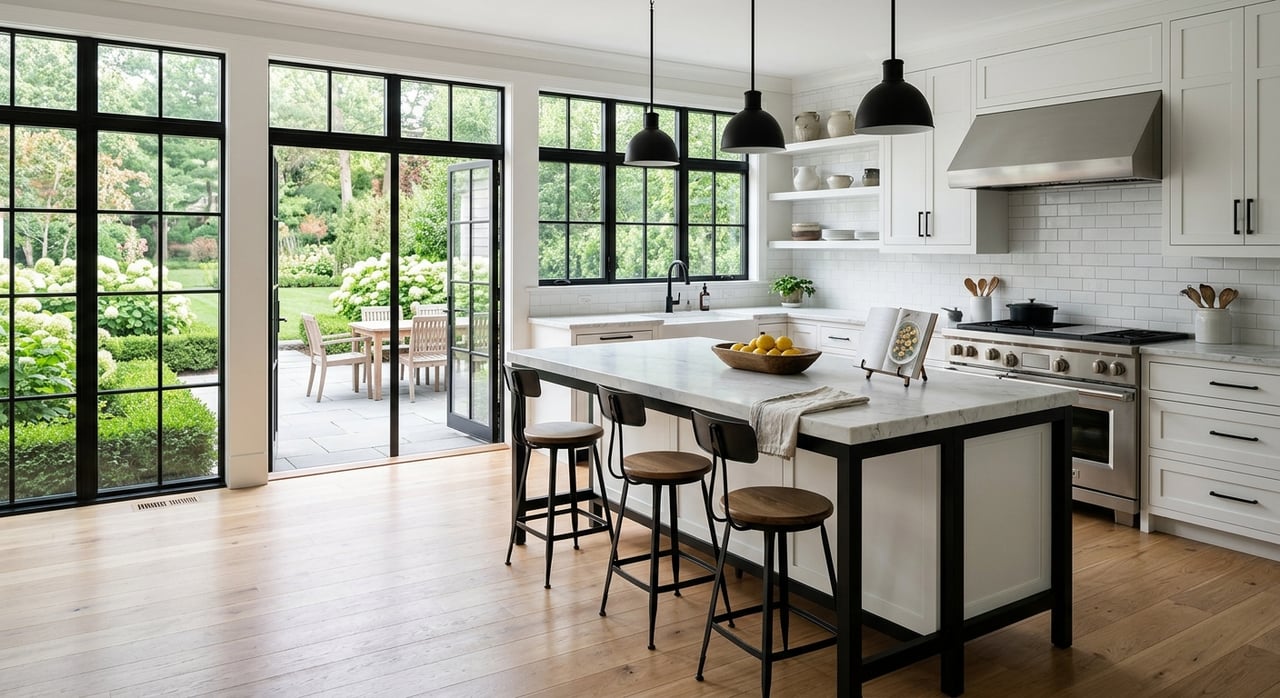
The 2025 Remodeling Impact Report found that homeowners most often seek satisfaction from kitchen upgrades, primary suite additions, and roofing. It also found that front-door replacement and closet renovation were among the stronger cost-recovery projects.
That does not mean you need a major renovation to improve value. In many cases, smaller, targeted improvements create a stronger return than a large project that does not match the home’s style or scale.
Curb appeal still matters
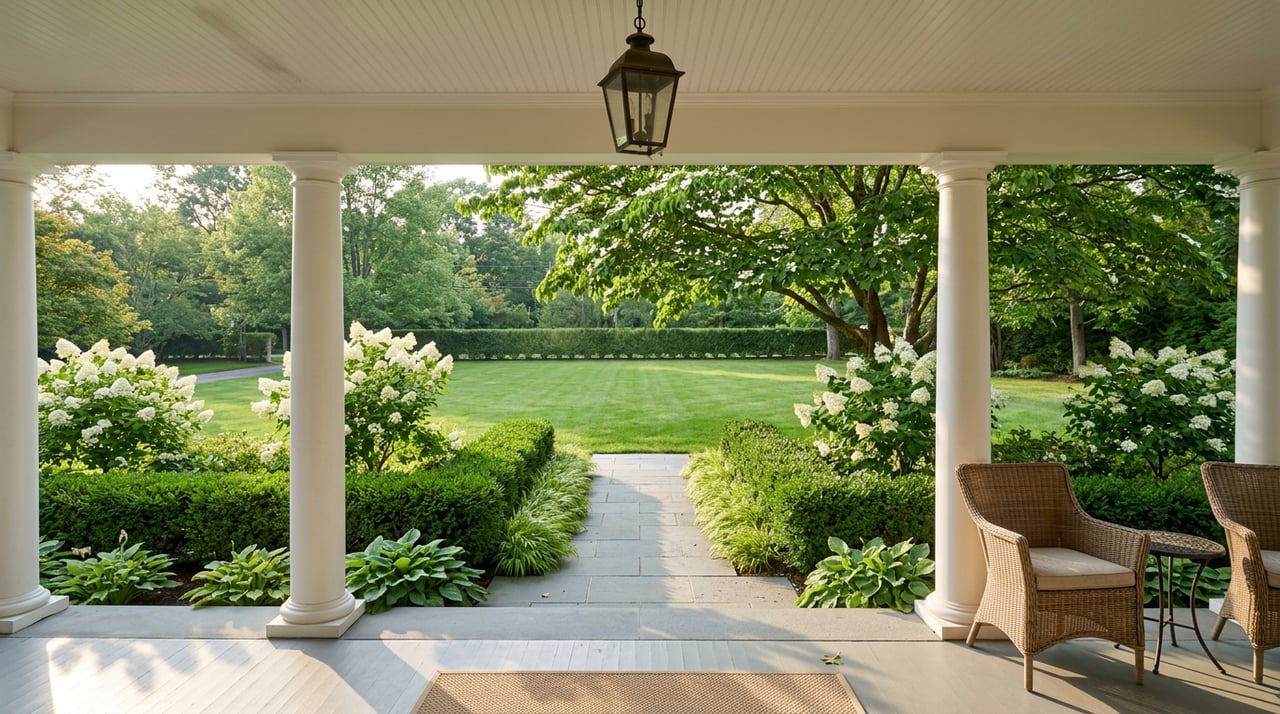
The same report found that 92% of REALTORS® recommend curb-appeal improvements before listing, and 97% say curb appeal is important to attracting buyers. In Douglaston, that makes sense. Many homes are judged from the street first, especially in neighborhoods known for landscaping, detached houses, and traditional architecture.
Simple updates can have an outsized effect:
- Fresh paint touch-ups
- Clean walkways and entry steps
- Trimmed hedges and tidied planting beds
- Updated exterior lighting
- Repaired hardware and visible maintenance items
- A cleaner, more inviting front entry
These changes help buyers see the home as cared for. That can influence both showing activity and pricing power.
Presentation affects the final sale price
Presentation is one of the most controllable value drivers. In a market where homes may sell below asking on average, how your property is photographed, staged, and introduced to buyers can affect whether it lands at the top or middle of its pricing bracket.
The 2025 staging report found that 83% of buyers’ agents said staging made it easier for buyers to visualize a property as a future home. The report also identified the living room, primary bedroom, and kitchen as the most important rooms to stage.
Staging supports premium positioning
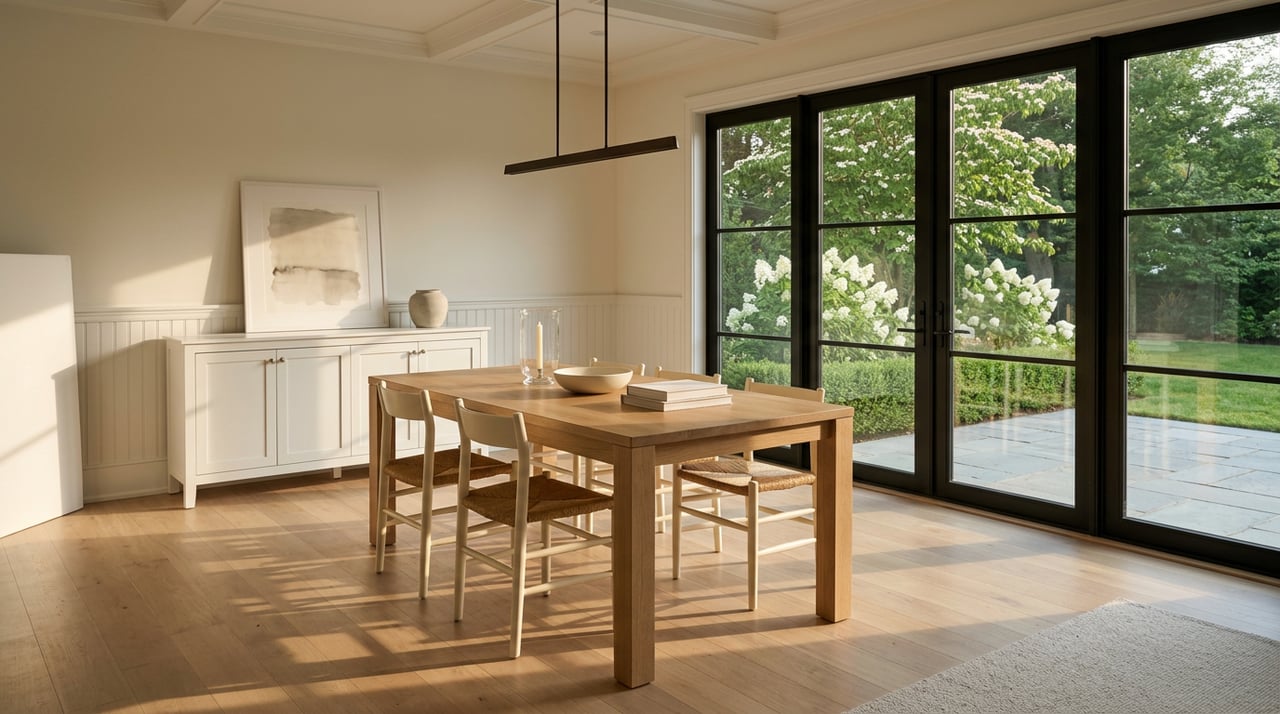
For a Douglaston seller, staging is not about making a home look trendy. It is about making the house feel spacious, coherent, and move-in ready. That is especially important in a neighborhood where buyers may be looking for polished single-family homes with strong everyday function.
Strong presentation usually includes:
- Clean sight lines and reduced visual clutter
- Neutral styling that suits the home’s architecture
- Well-lit rooms with a clear purpose
- Professional photography
- Video or virtual tour assets
- A room-by-room story that feels consistent
The same staging report found that photos, physical staging, video, and virtual tours all matter to buyers. Nearly half of sellers’ agents also observed that staging reduced time on market.
Transit and amenities support demand
Location inside Douglaston is not just about the block. It is also about access. The Long Island Rail Road’s Port Washington Branch serves Douglaston, and the station sits in fare zone 3. MTA bus service also includes the Q12 along Northern Boulevard, with stops serving the station area.
For many buyers, that kind of transit access adds real appeal. Homes that offer convenient rail or bus access while still feeling residential may draw stronger interest from commuters.
Recreation and waterfront setting add appeal
Queens Community Board 11 also points to area amenities such as parkland along Northern Boulevard, Udalls Cove Preservation Area, Alley Pond Environmental Center, Douglaston Golf Course, and the golf driving range. Douglas Manor also includes a private marina and clubhouse.
Not every buyer values the same features in the same way. Still, proximity to recreation, open space, and waterfront-adjacent areas can help explain why some pockets of Douglaston command more attention than others.
Timing and pricing shape outcomes
Even a strong home can underperform if the launch timing or pricing strategy misses the market. National 2026 analyses from Realtor.com and Zillow both point to late spring as a favorable listing window, with benefits such as more views, faster sales, and slightly stronger pricing.
For Douglaston, the bigger lesson is not a single perfect week. It is that timing should match buyer activity, competing inventory, and the home’s presentation readiness. A well-prepared listing usually performs better than a rushed one, even in a stronger seasonal window.
Negotiation room is part of today’s picture
Spring 2026 market trackers suggest buyers still have room to negotiate. Realtor.com reported a 60-day median days on market and homes selling 2.86% below asking on average in March 2026. In that environment, pricing discipline matters.
If a home is positioned too high without the lot, condition, or presentation to support it, buyers may hesitate. If it is priced with the market and launched with strong visuals and a clear story, it has a better shot at standing out.
What tends to lift Douglaston home values
When you step back, Douglaston value usually comes from the interaction of several factors rather than one headline feature. The homes that tend to perform best often check multiple boxes at once.
Here are the biggest drivers:
- Larger or better-proportioned lots
- Detached single-family positioning that fits neighborhood scale
- Architectural character that suits the surrounding homes
- Strong exterior condition and curb appeal
- Updated interiors that feel move-in ready
- Proximity to the LIRR station or bus access
- Access to parks, golf, waterfront, or other neighborhood amenities
- Smart staging, photography, and launch timing
If you are preparing to sell, this is where local strategy matters most. The goal is not just to know your square footage. The goal is to understand how your specific home fits into Douglaston’s very local value patterns, then present it in a way that supports the strongest possible result.
If you want a clearer picture of where your home fits in today’s Douglaston market, Amy Liu can help with a personalized valuation and staging-focused plan built around your home’s lot, condition, and position in the neighborhood.
FAQs
What factors most affect home values in Douglaston?
- The biggest factors are lot size and setting, architectural fit, visible condition, transit access, nearby amenities, and how the home is staged and priced for market.
Do larger lots increase home value in Douglaston?
- Larger or better-proportioned lots can support higher value because Douglaston’s low-density character and zoning place real importance on frontage, yard depth, and detached-home spacing.
Do historic district rules affect Douglaston home prices?
- They can, because historic district oversight can make original exterior details, additions, rooflines, windows, and overall architectural consistency more important to buyers.
Does staging help a Douglaston home sell for more?
- Staging can improve how buyers respond to a home by helping them visualize the space more easily, and strong presentation may also help reduce time on market.
Is being near the Douglaston LIRR station good for value?
- For many buyers, yes. Convenient access to the Port Washington Branch and nearby bus service can support demand, especially when a home still offers a quiet residential feel.
When is the best time to sell a home in Douglaston?
- Late spring often looks favorable based on 2026 market analyses, but the best launch timing still depends on local inventory, buyer activity, and whether your home is fully prepared for market.