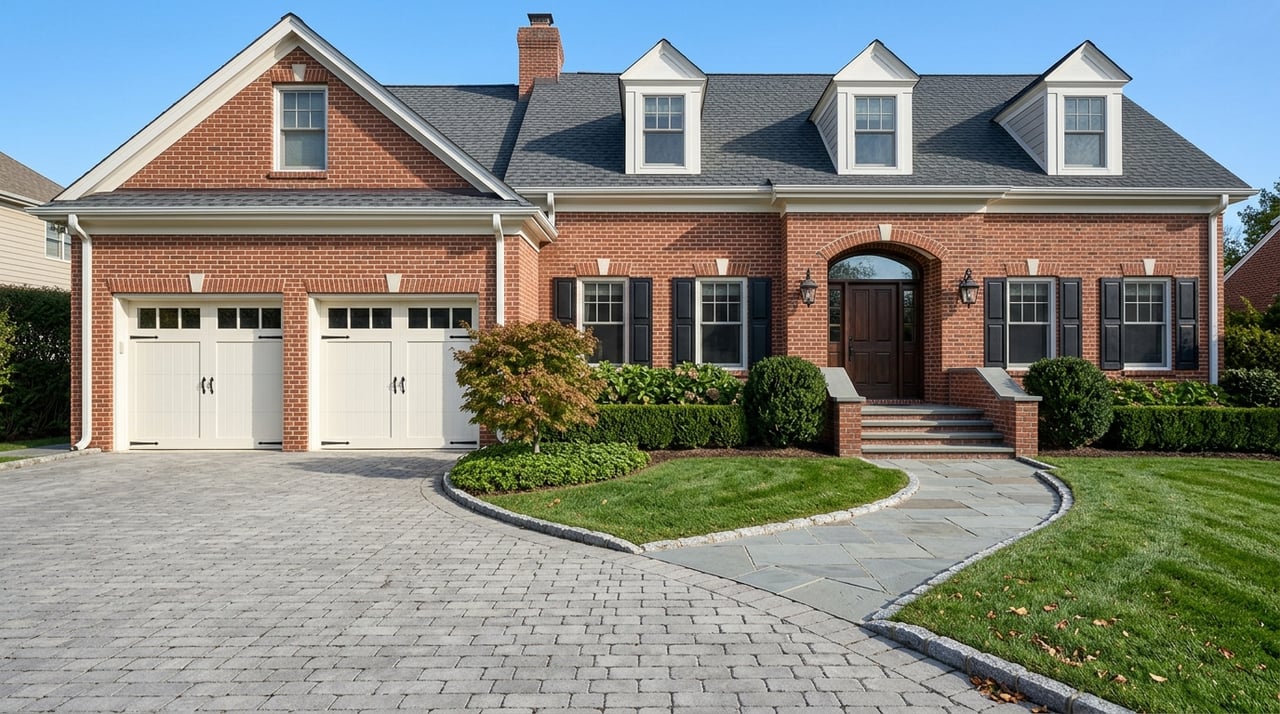
Thinking about trading a longer subway grind for a front door, a yard, and a train ride that still keeps Manhattan in reach? If you work in New York City and want a quieter residential setting without giving up rail access, Douglaston deserves a close look. This guide will help you understand the commute, the housing mix, the price ranges, and the trade-offs so you can decide whether Douglaston fits the way you want to live. Let’s dive in.
Why Douglaston Works for NYC Commuters
Douglaston stands out because it combines a suburban feel with direct Long Island Rail Road access. On the Port Washington Branch, the current timetable shows direct service to both Penn Station and Grand Central, which gives you flexibility depending on where your workday starts and ends.
That flexibility matters when you commute several times a week. MTA notes that peak service includes Manhattan trains with express patterns, while off-peak service alternates between Penn and Grand Central. For many buyers, that makes Douglaston feel more practical than car-dependent suburbs farther out.
The station itself is also important to know before you buy. Douglaston station is ramp-accessible, but there is no accessible path between platforms, and the nearest crossover stations are Bayside and Little Neck. There are ticket machines beside the station building, and there is no ticket office.
What the Daily Commute Looks Like
If you are evaluating Douglaston as a commuter, think beyond the rail line alone. You want to understand how the station works on rushed mornings, what your backup options are, and how your home location affects the first and last leg of the trip.
For backup transportation, local bus service can help. The Q12 serves Northern Boulevard and Douglaston Parkway, and the Q30 includes Douglaston Parkway and 65 Avenue. That can be useful if you live a bit farther from the station or need another way to connect on days when your routine changes.
If you are comparing neighborhoods, this is where Douglaston becomes especially appealing. You get a rail-served community with a distinctly residential setting, rather than a denser, more commercial environment. That balance is a major reason commuter buyers keep it on their shortlist.
Douglaston’s Residential Feel
The official Queens Community Board 11 profile describes Douglaston as a neighborhood of tree-lined streets and single-family homes. It also notes a small commercial district near the station and identifies that area as the only place nearby with several apartment buildings.
In practical terms, that means your housing search usually starts with a clear choice. If you want a detached house and a more traditional suburban streetscape, Douglaston offers that. If you want something closer to the station with lower exterior maintenance, the apartment-style options are more concentrated in that station area.
This layout can work well for NYC commuters in different life stages. Some buyers want a lower-maintenance first step into the neighborhood, while others are searching for a larger long-term home with more interior space. Douglaston has both, but they tend to sit in different parts of the neighborhood.
Historic Character Shapes the Market
One of Douglaston’s defining features is its historic identity. The Douglaston Historic District includes more than 600 houses on a mile-long peninsula extending into Little Neck Bay, developed largely as the early-20th-century planned suburb of Douglas Manor.
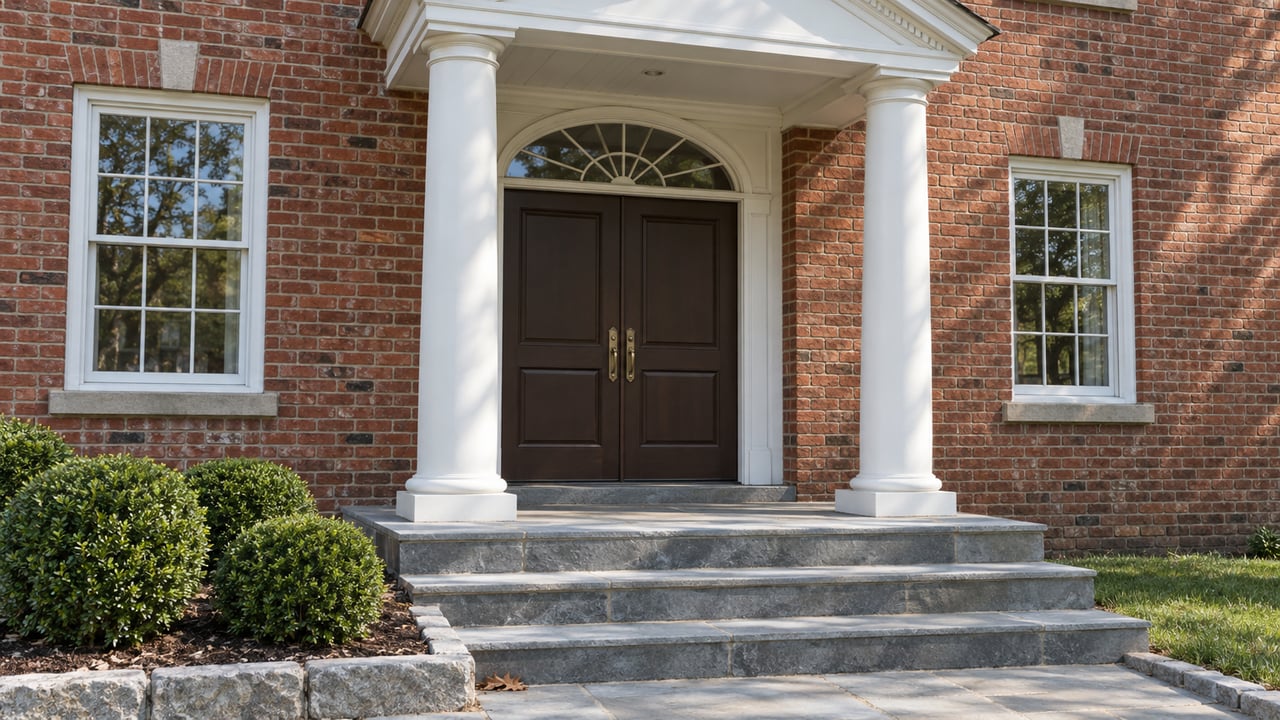
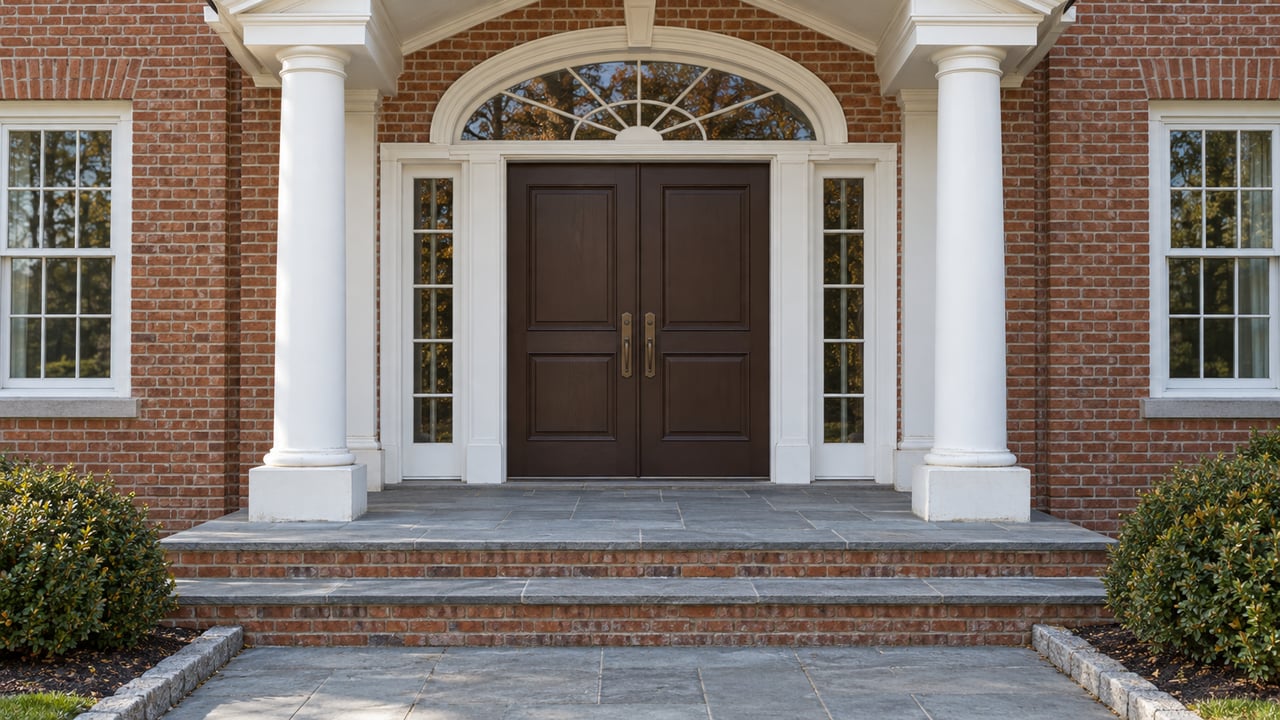
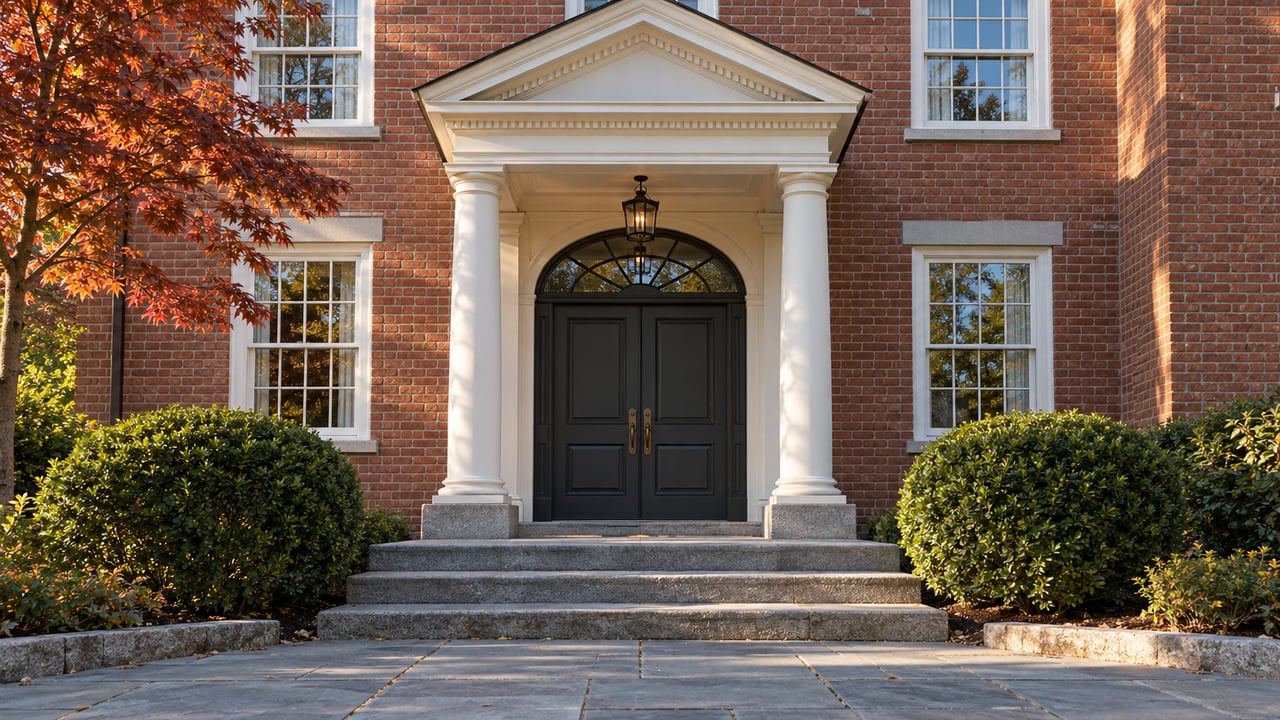
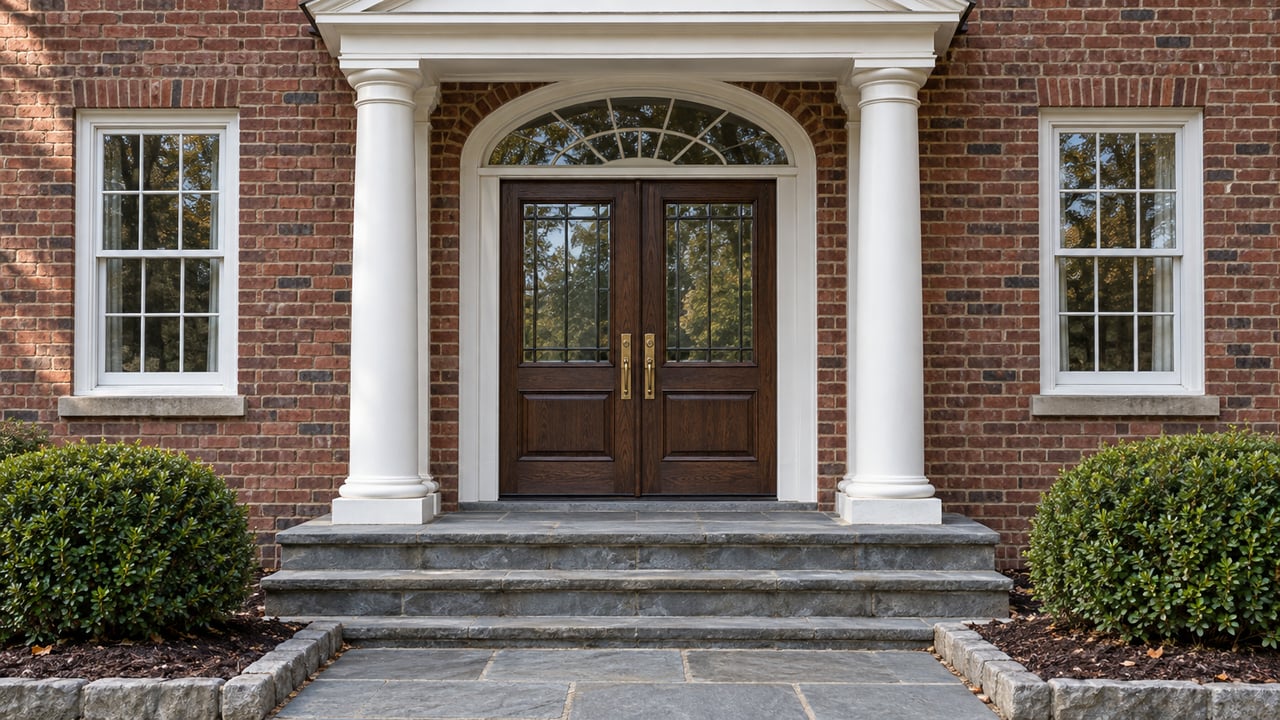
The housing styles there include Colonial Revival, Tudor Revival, English Cottage, Arts and Crafts, and Mediterranean Revival. For many buyers, that architectural variety is part of the draw. You are not just buying commuter convenience. You are buying into a neighborhood with a strong visual identity and a well-established residential fabric.
That said, historic character can come with extra steps. If you plan additions or exterior changes in the historic district, work requires review by the Landmarks Preservation Commission, and Douglas Manor deed restrictions continue to shape setbacks and rooflines. If you love renovation projects, that is important to understand before you make an offer.
What You Can Buy at Different Price Points
Douglaston is not an entry-level market by Queens standards, but it offers a range of options depending on what type of home you want. Current snapshots vary by source, with Redfin showing a March 2026 median sale price of $915,000, Zillow showing an average home value around $1.21 million, and the Queens County single-family median sales price at $862,500 in March 2026.
Taken together, those numbers suggest Douglaston generally sits above the countywide single-family median. For commuter buyers, that premium often reflects the combination of LIRR access, detached housing stock, and the neighborhood’s established North Queens appeal.
Under $800K Options
At the lower end, buyers are more likely to find apartment-style homes near the station than classic detached houses. One current example in the market snapshot is 38-30 Douglaston Parkway #G2, listed at $675,000 for a two-bedroom, two-bath condo with 1,120 square feet.
If your main goal is to shorten your commute and build equity without taking on a larger house right away, this segment may be worth exploring. Just keep expectations realistic. In Douglaston, lower price points usually mean attached or apartment-style product rather than the neighborhood’s signature detached homes.
Around $900K to $1.1M
This range begins to open the door to smaller or more modest detached homes. Recent sold examples include 240-17 E Pine Street at $948,000 with three bedrooms, two baths, and 1,480 square feet, as well as 240-40 Pine Street at $1.1 million with four bedrooms, two baths, and 2,212 square feet.
For many NYC commuters moving from a city apartment, this tier can feel like a meaningful lifestyle upgrade. You may be able to move into a true single-family home while staying below some nearby North Shore price points.
Around $1.2M to $1.4M
As you move into the low-to-mid $1 million range, buyers start seeing larger or more updated detached homes. Examples in the report include 38-47 Douglaston Parkway at $1.275 million with three bedrooms, three baths, and 2,350 square feet, plus 88 Prospect Street at $1,199,988 with five bedrooms, three baths, and 2,741 square feet.
This is often the sweet spot for buyers who want more move-in-ready space. If your priority is balancing commute access with room to grow, this tier may offer some of the best fits.
Around $1.5M to $2M and Up
At this level, you will find larger homes, more distinctive properties, and in some cases stronger location appeal. The report includes examples such as 101 Forest Road, sold for $1.5 million, and 222 Hollywood Avenue, sold for $1.88 million. It also notes an active listing at 234-11 38th Drive for $1.895 million.
At the top end, waterfront and estate-style homes can go much higher. One active listing example is 10-08 Shore Road at $3,999,900. If you are shopping in this range, the conversation usually shifts from simply finding a commuter-friendly house to finding a home with a very specific lifestyle and design profile.
What Most Buyers Should Expect
Based on the neighborhood profile and recent examples in the report, the most common buyer expectation in Douglaston is a three- to five-bedroom single-family home with two to four baths and roughly 1,400 to 3,000 square feet in the mid-market. Condo and co-op choices are more concentrated near the station.
That distinction helps you search more efficiently. If your must-have list starts with detached living, yard space, and a more suburban block, focus on the single-family inventory and be ready for limited selection. If your top priority is walkability to the train, broaden your search to include station-area apartment product.
How Douglaston Compares Nearby
If you are still deciding among North Queens and North Shore options, Douglaston occupies a useful middle ground. It offers a more historic, single-family-leaning identity than some nearby choices, while still giving commuters a direct LIRR connection.
Bayside, for example, is also mostly single-family homes, but it has some garden apartment complexes and a busier commercial corridor. Redfin’s March 2026 median sale price there was $510,000, compared with Douglaston’s $915,000. That suggests Douglaston generally commands a higher price for its housing mix and neighborhood character.
Great Neck sits at a higher price point, with a March 2026 Redfin median sale price of $1.3 million. For some buyers, Douglaston can serve as a lower-entry North Shore alternative if they want a suburban train-to-Manhattan setup without paying Great Neck pricing.
Little Neck is also suburban and heavily one-family in character. What helps Douglaston stand apart is the more clearly defined Douglas Manor identity, the historic district presence, and the station-area apartment cluster. Those features create a broader mix of lifestyle options within one neighborhood.
How Competitive the Search May Feel
Even when the right neighborhood is clear, finding the right home can still take planning. Queens County single-family inventory was 1,076 homes in March 2026, and the median days on market were 61.
That combination suggests you may not see endless options, especially if you have a narrow target around commute distance, home style, and condition. In Douglaston, where detached inventory is naturally limited, it helps to be ready to move when a strong fit appears.
This is also where local market guidance becomes valuable. A neighborhood-focused agent can help you compare station-area apartments versus detached homes, weigh renovation constraints in historic sections, and judge whether a move-in-ready premium is worth paying for your timeline and lifestyle.
Smart Questions to Ask Before You Buy
Before you commit to Douglaston, it helps to pressure-test the fit with a few practical questions:
- How often will you commute to Manhattan each week?
- Do you want to walk to the station, or are you comfortable using bus backup or driving part of the trip?
- Are you looking for a detached home now, or would a condo near the station make more sense as a first move?
- If you like older homes, are you also comfortable with the added review process that can come with historic-district properties?
- Is your priority character, space, convenience, or the best value relative to nearby neighborhoods?
The clearer your answers, the easier it becomes to narrow your search. In a market like Douglaston, clarity often saves time and prevents you from chasing homes that do not truly fit your routine.
If you are weighing Douglaston against Bayside, Little Neck, or Great Neck, a tailored home search and a clear pricing strategy can make the decision much easier. For guidance on commuter-friendly homes, neighborhood comparisons, and move-in-ready opportunities in northern Queens, connect with Amy Liu.
FAQs
Is Douglaston a good neighborhood for commuting to Manhattan?
- Yes. Douglaston is on the LIRR Port Washington Branch, with current direct service to Penn Station and Grand Central, making it a practical option for many NYC commuters.
What types of homes can you buy in Douglaston as a NYC commuter?
- Most buyers will see single-family homes on residential blocks, while condo and apartment-style options are more concentrated near the station.
What is the typical home price range in Douglaston?
- The report shows options from station-area condos in the sub-$800,000 range to many detached homes from roughly $900,000 to $2 million, with top-tier properties priced higher.
Are there historic district rules in Douglaston home purchases?
- Yes. In the Douglaston Historic District, additions and exterior changes require Landmarks Preservation Commission review, and Douglas Manor deed restrictions can affect setbacks and rooflines.
How does Douglaston compare with Bayside and Great Neck for buyers?
- Douglaston generally offers a more historic, single-family-focused setting than Bayside and can be a lower-entry North Shore alternative compared with Great Neck, based on the market snapshots in the report.